Media has always been central to how we document, reference, and pass things down from one generation to the next. Long before technology made storage effortless, people found ways to preserve what mattered: vinyl records, cassette tapes, photo albums, film reels. These weren’t just formats; they were vessels that carried culture forward.
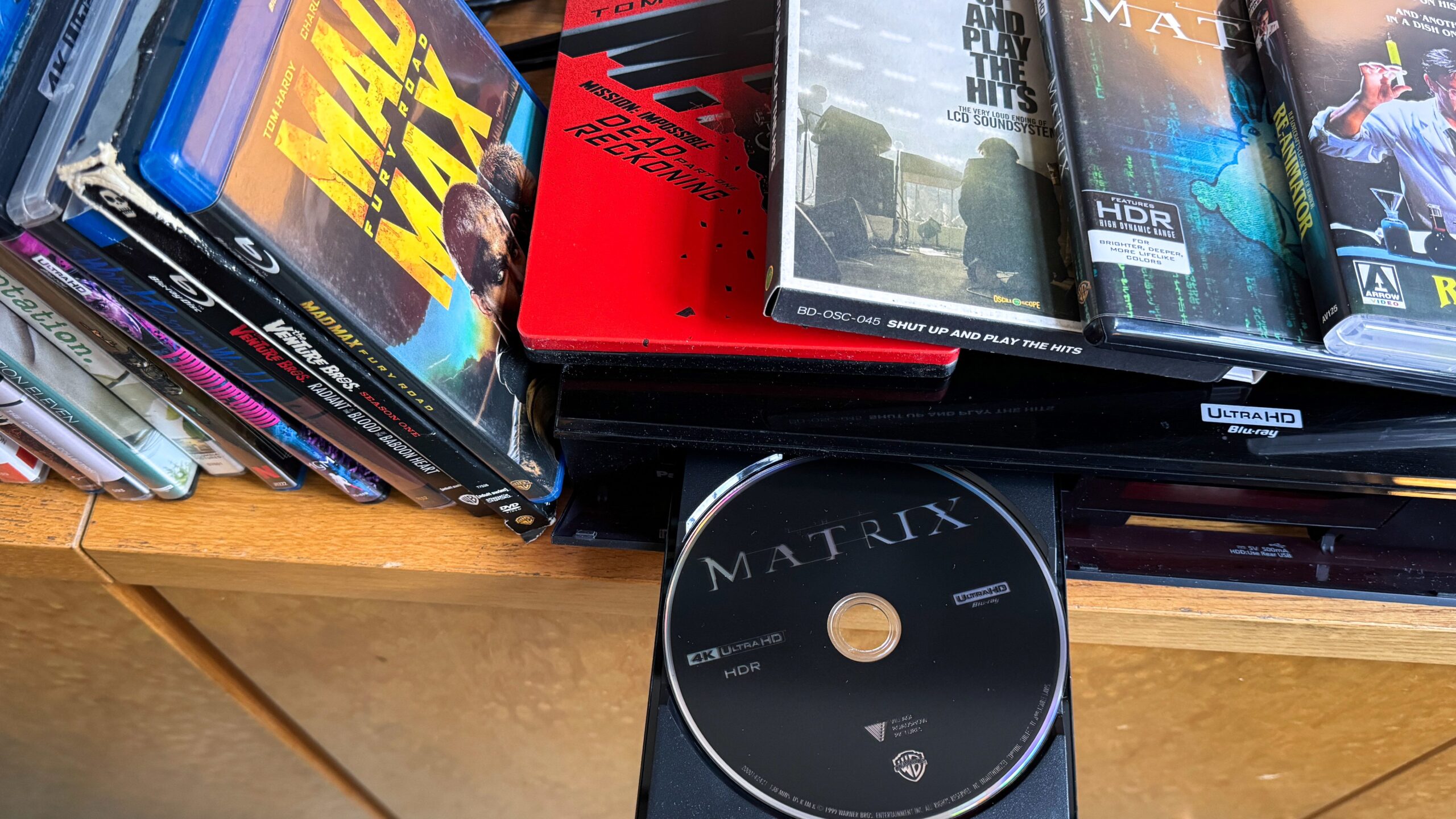
Now, everything lives in the cloud. Music plays through a phone. Photos sit in folders nobody opens. Films appear and disappear from streaming platforms without warning. Technology has advanced, and that is genuinely a good thing, but somewhere in that advancement, physical media started dying, and it shouldn’t be.
Call it nostalgia if you want, but the numbers tell a different story. Vinyl sales have grown consistently for over a decade, and it is not just older generations driving it. Young people who grew up entirely on streaming are buying turntables and records. Because when you own a record, you own something real, something you can display, lend to a friend, or pass down. Your child can one day hold that worn copy and understand something about who you were. A playlist cannot do that. It does not even guarantee the music will still be there next year. Licensing deals expire, catalogues get pulled, platforms shut down. Physical media lasts.
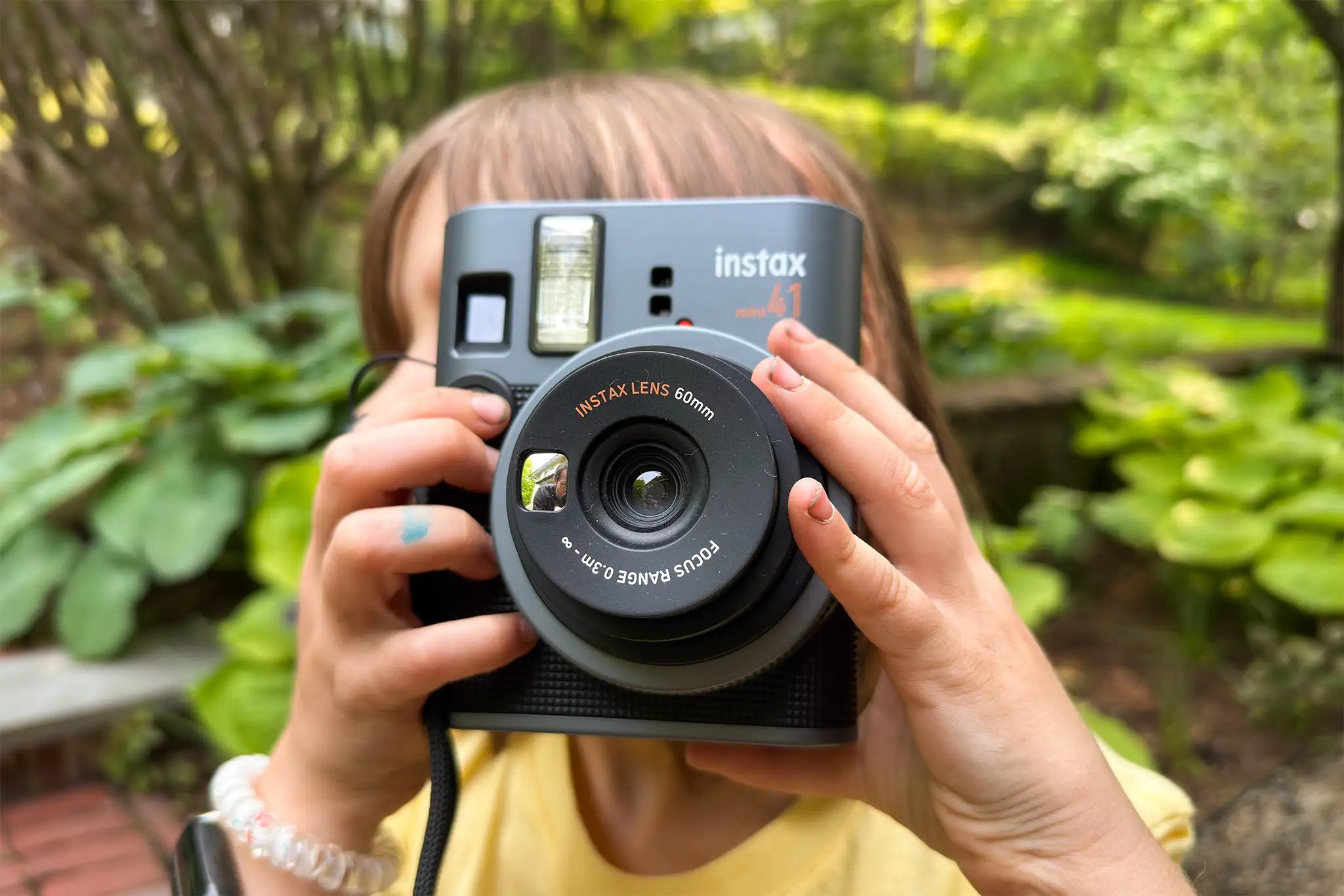
Photography might be where the loss feels most personal. We are taking more photos than at any point in human history, yet somehow preserving fewer of them. Billions of images are captured daily, backed up somewhere, and buried almost immediately under the next day’s content. It is no surprise that film cameras and instant print cameras are making a return. Hard drives fail, subscriptions lapse and services disappear. A printed photograph can sit in a box for decades and still mean something when rediscovered.
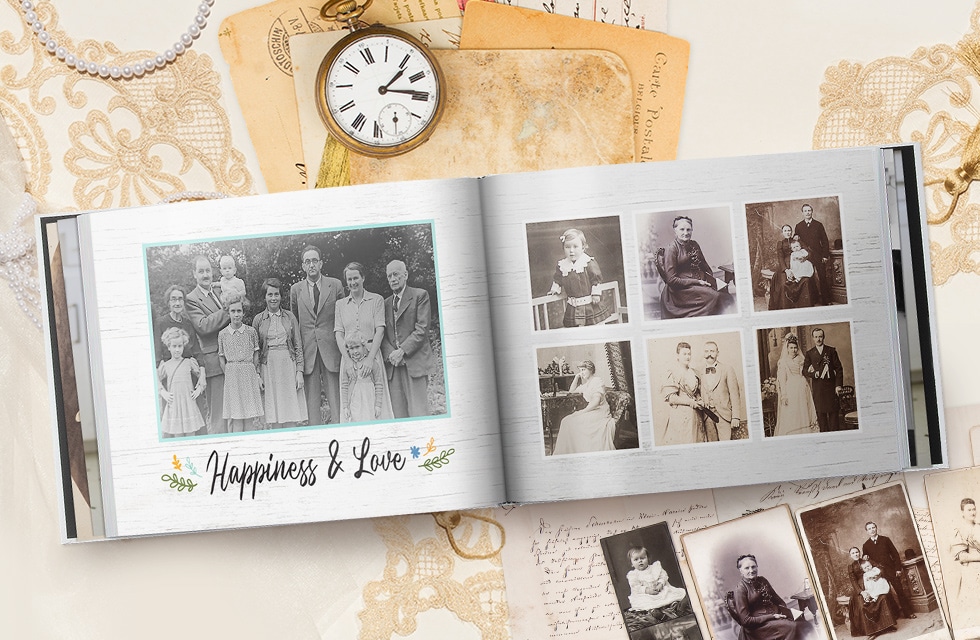
There is also the experience. Photobooks used to sit in living rooms for visitors to flip through. A family’s history lived in a few worn albums stacked on a shelf. Now, digital albums are swiped through once and lost in an endless scroll. Physical photographs feel alive in a way digital files rarely do.
Then there are books. E-readers are convenient, yes, but they cannot replicate the experience of a physical book, the weight, the margin notes, the presence. And let’s be honest, a bookshelf still says something about you in a way a “library” tab on a laptop never will.
Physical media should not die. The vinyl record, the photobook, the disc collection, and the paperback are not signs of being behind the times. They are ways of preserving what matters in an era obsessed with speed and convenience. That distinction matters more than we admit, and we may only fully understand what we gave up when the servers eventually go down.
Keep physical media alive.
RELATED: Document Your Life Even When No One is Watching, It will Mean Something One Day