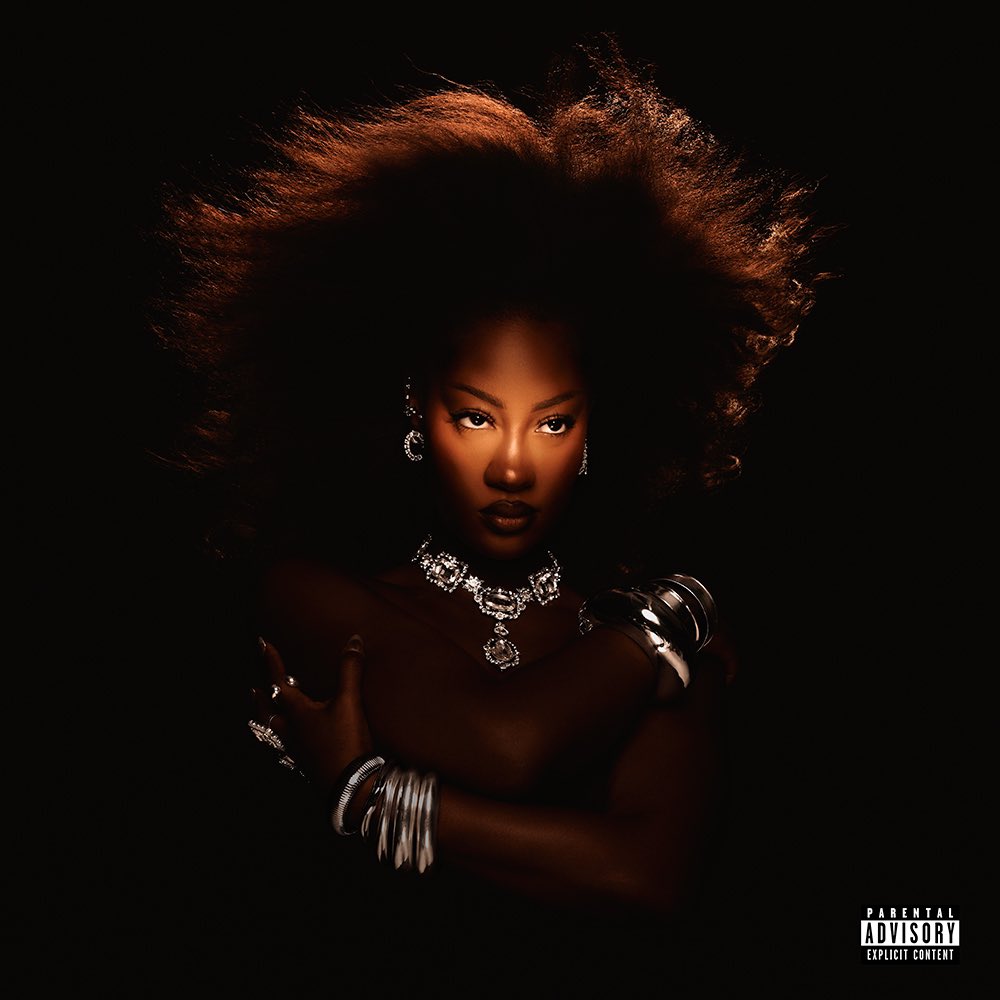
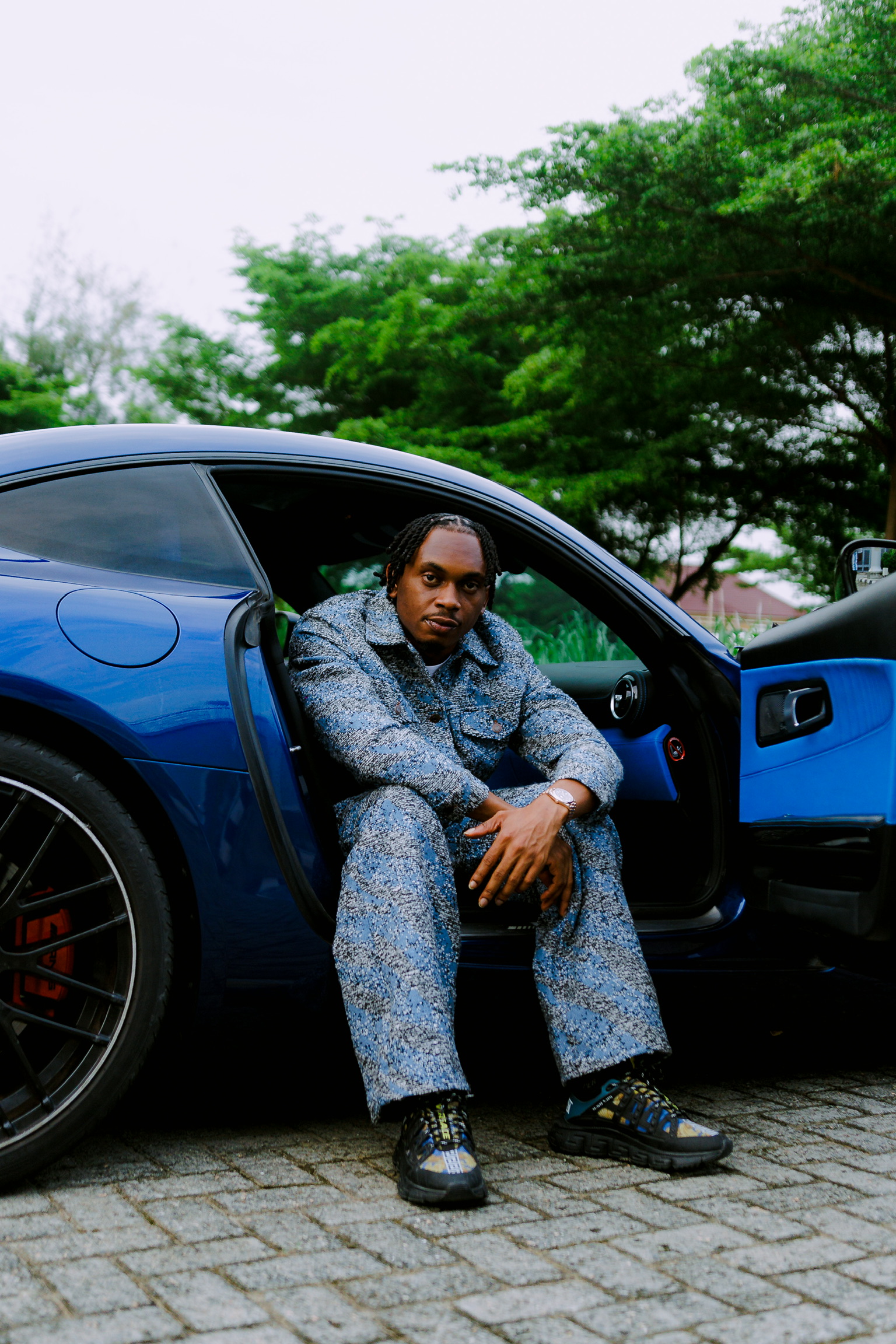
The Sacramento-born, Igbo rapper spent years building a name in America. Then a viral clip from Lagos changed everything, and the timing couldn't have been more perfect.
For an artist who spent the better part of a decade rapping to American audiences from Sacramento, the music scene right now carries a particular weight. Aka, full name Anthony Chukwubuike Aka’Naizerigwe, has been making music that draws deeply from his Igbo roots since at least 2018. The current music scene, and its rather warm reception of artists who don’t fit cleanly anywhere, is a decisive inflection point that has completely reshaped the conversation around him.
A sustained cultural exchange over the past decade has seen artists like Davido and Rema packing American arenas and festivals, while kids here sing word for word to Lil Baby or Playboi Carti. That circulation has created an interesting cross-pollination that, in many ways, has brought us to this point, and Igwe Aka sits at precisely that intersection.
“The fact is last year, I was literally just sleeping on couches. I couldn’t afford to base myself out of Nigeria.”
— Igwe Aka in his an interview with Pigeons & Planes
The turning point came with “KAPOW” (featuring Tochi Bedford), a breezy Igbo-trap banger that fused his Sacramento upbringing with the melodic cadences and cultural pride of his Igbo heritage. A single viral clip previewing the song on Instagram changed everything, doing what years of careful releases couldn’t.
But to understand where that music comes from, you have to go back to Enugu. Aka was born in Nigeria, moved to Sacramento at three, returned to Nigeria at six, then came back to America again, a childhood of perpetual arrivals. His earliest concrete memories are of Trans Ekulu, living with his grandparents in Federal Housing while his mother worked to build a life in California. His father, meanwhile, was running an ogene band called Mbadike, playing at Igbo weddings across Sacramento’s diaspora community. Every Saturday, Aka and his brothers attended dance practice, learning to move like Igbo masquerades, to inhabit the characters, to perform with their whole bodies.
That groundedness runs through everything Aka makes. It culminates in what he describes as his sound: “Wawa music”, a term that references the Ndi Wawa, a cultural subgroup in Ebonyi and Enugu states known for their distinct dialect and assertive, unapologetic character. Like the people it names, his music does not soften itself for the room.
His recent releases are further proof of that clarity. In early April 2026, he dropped the singles “EGONOMICS”, “BUSY BODY (KPAKIRRI)”, and “BACKASSI” (featuring Odunsi the Engine) as part of his WAWA MUSIC project. These tracks extend the momentum of the raw, rooted energy he has brought to a scene that is currently on an upscale run in the industry.
What makes Aka’s moment feel significant goes beyond the personal. There finally seems to be room for sounds that don’t code-switch, don’t smooth out their edges, and don’t ask for permission. For an artist who spent years being, as he might put it, the same person in every room, that shift feels perfectly timely. Igwe Aka came home, and Nigeria was finally ready.