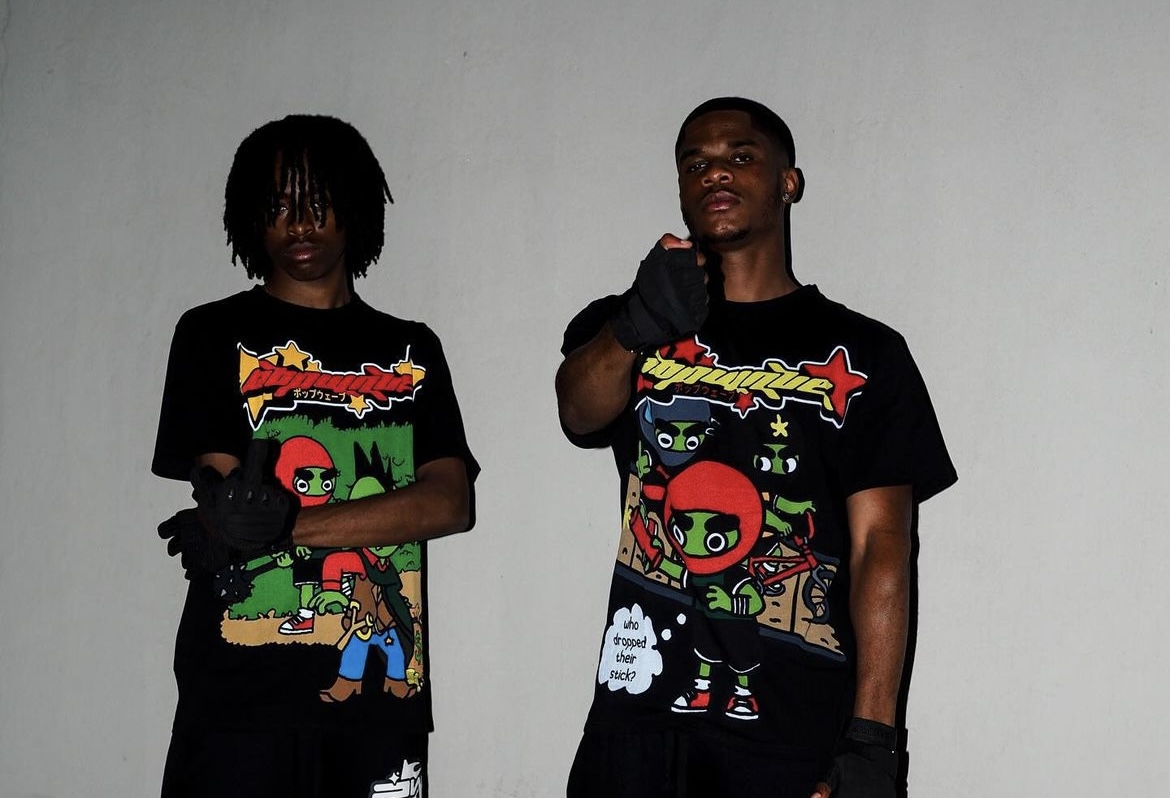
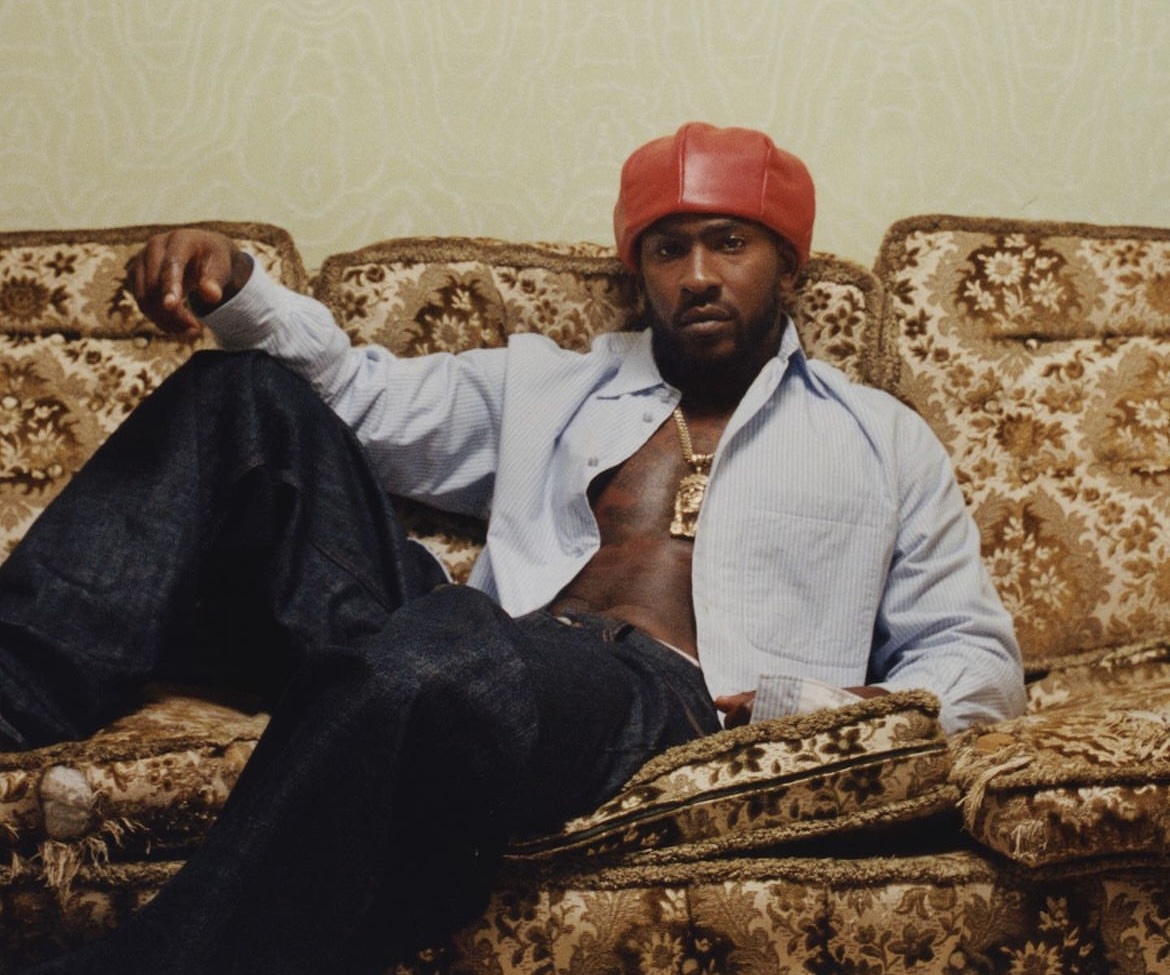
Timberlands built their legend in New York. Now Heliot Emil is writing its own story — one carabiner at a time.
There’s a specific kind of power a boot can have. Not just over an outfit, over a moment, a movement, a whole idea of who you are when you walk out the door. The Timberland 6-inch has that power. Has had it for decades. And right now, in 2026, Heliot Emil is quietly trying to build something just like it.
These aren’t the same boot, and they might not be for the same person.
Timberland launched its iconic wheat boot in 1973, designed for construction workers in New England who needed something that could survive a winter. Waterproof leather. Sealed seams. A sole built to outlast everything. Nobody was thinking about fashion. And then, as it always does with anything worth a damn, fashion came anyway.
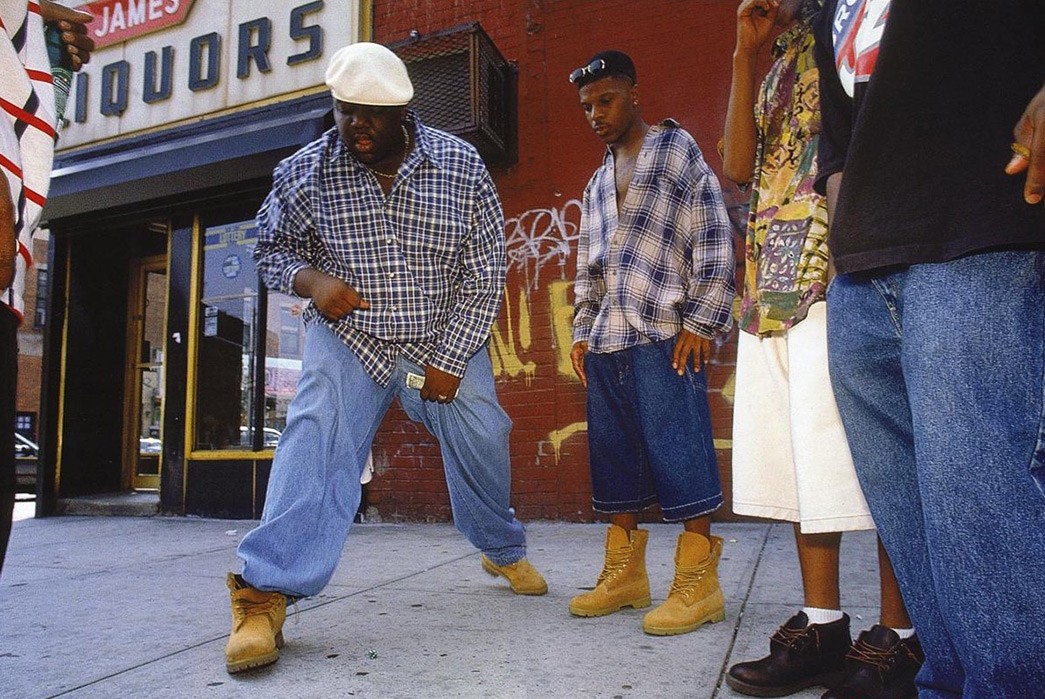
“Biggie wore them. Nas wore them. Jay-Z wore them. The Timberland became the boot you wore when you had something to say.”

By the late ’80s and into the ’90s, as Hip-hop was rewriting culture, the Timberland boot got swept up in it. Biggie wore them. Nas wore them. Jay-Z wore them. Wu-Tang made them a uniform. The boot became shorthand for toughness, for New York, for a kind of unfussy cool that money couldn’t fake. You couldn’t buy credibility, but you could lace up your Timbs and get a little closer to it.
What made Timberlands stick, past the trends, past the decades, was that they never tried to be anything they weren’t. A work boot that looked good. A statement that didn’t need explaining. That’s a rare thing in fashion.
Heliot Emil is a different kind of story. Founded in Copenhagen in 2017 by brothers Julius and Victor Juul, the brand has always been more interested in questions than answers. What happens when industrial design meets high fashion? When a boot is engineered like it belongs in a factory and styled like it belongs on a runway? Their aesthetic, raw, architectural, deeply considered, sits somewhere between Scandinavian restraint and something much darker and stranger.
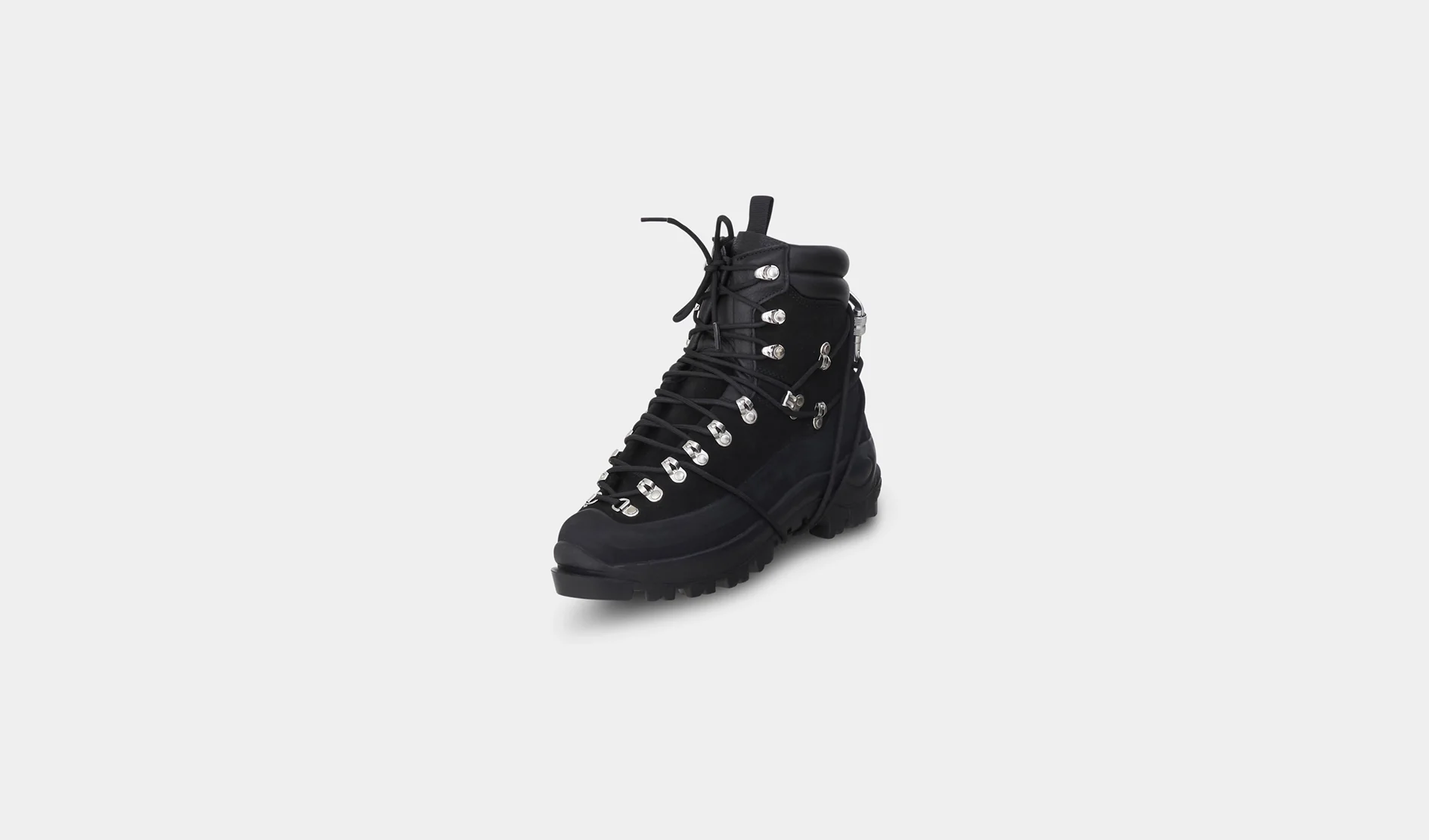
Their Hiking Boot, which debuted in 2020, made in Italy in collaboration with Diemme (mountain footwear specialists from the Dolomites), is the kind of thing you stop and look at. 185 components. 72 stages of construction. Forty artisans touching it before it reaches you. TPU toe caps. A Vibram tractor sole. A carabiner clipped to the heel that shouldn’t work as a design detail but absolutely does. It’s a boot that earns its price — somewhere around €670 — by making you feel like you’re wearing something that was genuinely thought about.
Here’s the thing about comparing these two boots: the comparison only works if you understand what it’s really about. It’s not about which boot is better. It’s about what a boot can mean at a specific moment in time.
Timberland meant something in the ’90s because it arrived at the exact right moment — when hip-hop was becoming the most culturally powerful force in fashion, when the rules about what was “dressy” and what wasn’t were being rewritten in real time. The Timb was the right boot for that rupture. Sturdy, unpretentious, cool without trying.
Heliot Emil is arriving at its own rupture. Gen Z doesn’t want to inherit a template, they want to build something. They’re mixing high fashion with thrift, Technical pieces with vintage, structure with chaos. So the Heliot Emil boot fits perfectly with that energy: it’s precise and purposeful, but there’s something slightly unhinged about it too. A carabiner on a fashion boot. Why? Because why not. Because the question is part of the point.
And like any movement worth watching, it has its faces. The same way Biggie and Jay-Z made you feel the Timberland before you even thought about buying it — you heard it first, then you saw it — Heliot Emil has its own. Playboi Carti, Ken Carson, Rich the Kid, ZayLevelTen, and many more — the superstars of this generation, who don’t dress to fit in, and whose relationship with their audience is about each one pushing the other further forward.

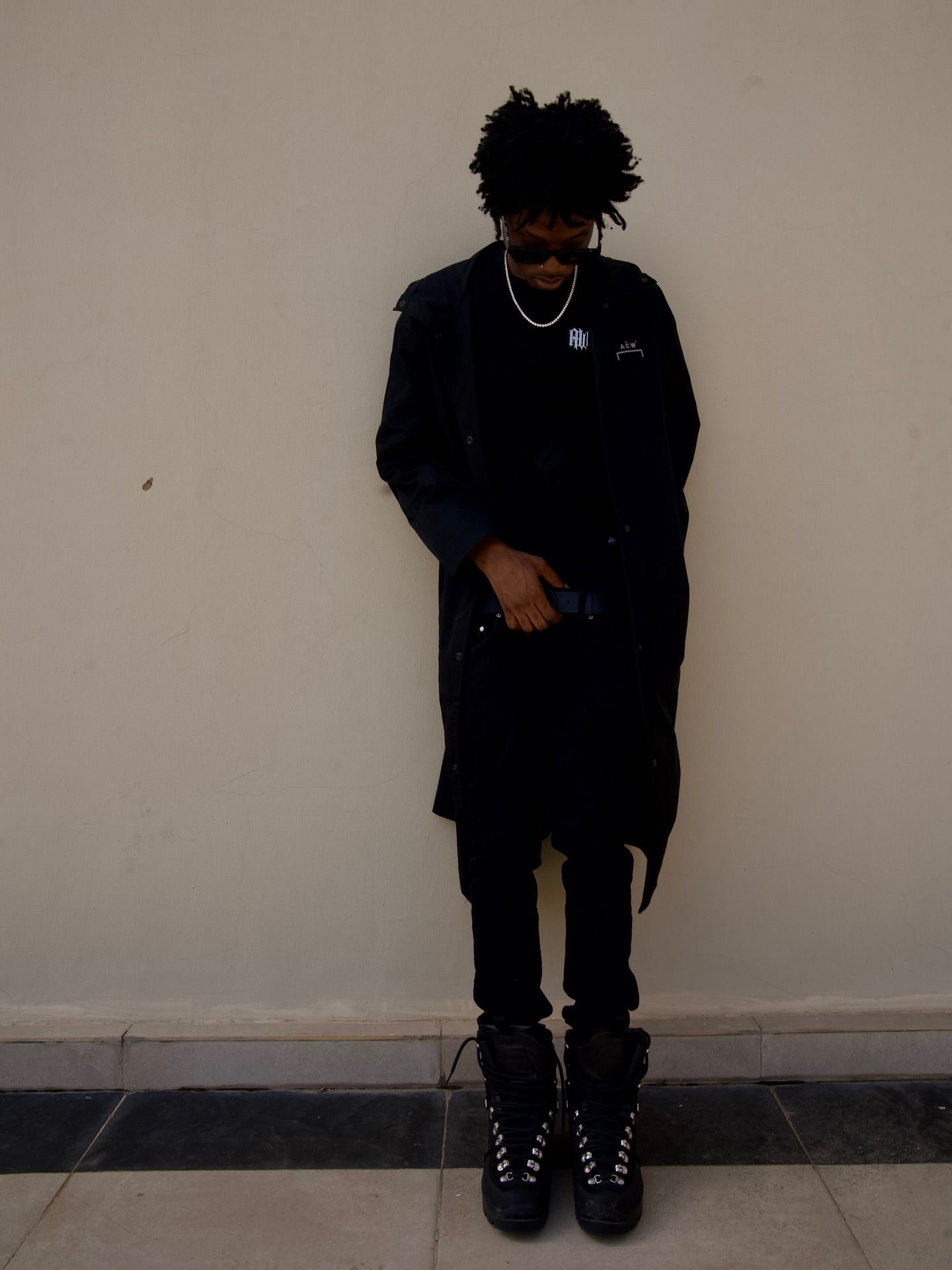
“The Timberland was the right boot for that rupture in the ’90s. Heliot Emil is arriving at its own.”
The price difference matters too — and not just as a barrier. Timberlands were genuinely accessible, landing at a time when no one had a clear roadmap for how rugged workwear could become cultural currency. That kind of raw, organic ascent feels almost impossible to replicate today.
Heliot Emil operates in a similar yet different register: its cultural spread through music and hype mirrors Timberland’s journey, but it functions as a luxury object for a generation that approaches fashion with more self-awareness, technical obsession, and deliberate performance. These boots will likely never achieve the same mass ubiquity as classic Timbs — and perhaps ubiquity isn’t even the goal anymore.
Heliot Emil just dropped a restock of the Hiking Boots — new colourways, same obsessive construction. The conversation around them is picking up. You see them on your feeds every day, from IG to Pinterest and on the feet of your favorite artists and stylists. That’s actually a very specific kind of early signal.
Will Heliot Emil become the Timberland of this generation? Probably not in the same way. Fashion doesn’t repeat itself that cleanly. But they’re doing what the best footwear always does: they’re giving a generation something to stand on — literally and otherwise. A boot that says something about who you are and what you value and how seriously you take the act of getting dressed in the morning.
Timberland proved that a work boot could carry the weight of a culture. Heliot Emil is asking whether a hiking boot can carry the weight of what comes next. It’s a big ask. But so far, the boots seem up for it.