On Clarity of Mind Omah Lay stops fighting his demons.
Four years is a long time in Afrobeats. Long enough for entire scenes to shift, for a dozen new names to steal the spotlight, for fans to quietly move on. When Omah Lay dropped Boy Alone in 2022, he had something rare: a sound that felt genuinely his. Melancholic and lush, it introduced what fans affectionately called “Afro-depression”, music so honest in its loneliness that it bordered on uncomfortable. Now, four years, a Grammy nomination, a stolen album concept, a very public spiral, and one bald head later, Stanley Omah Didia is back.
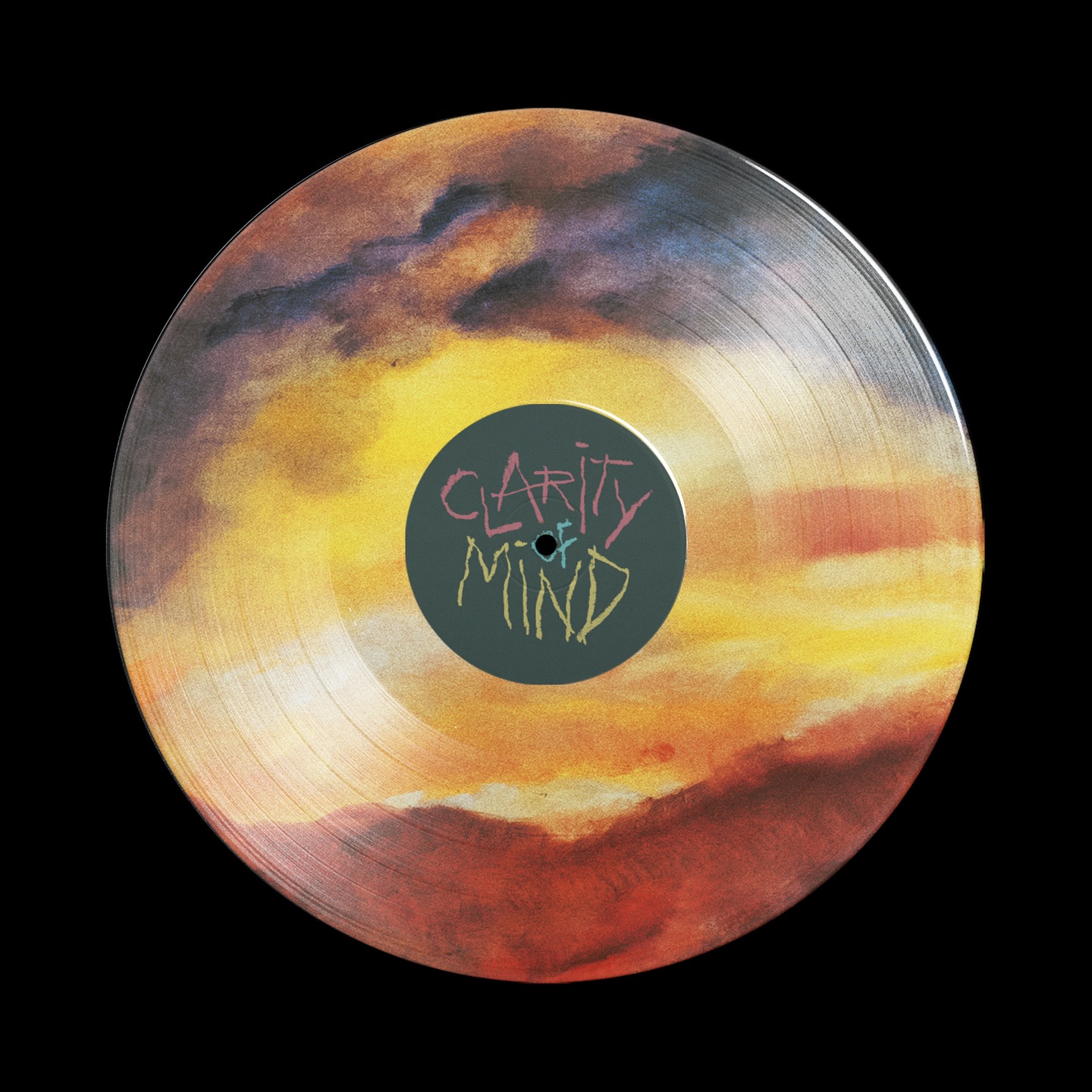 Let’s acknowledge the context: the road here was anything but smooth. Omah Lay spent much of the intervening years posting cryptic, alarming messages online about his deteriorating mental state. He endured the indignity of watching a trusted artist allegedly take the sound he had been developing and drop it first, a betrayal that forced him to scrap everything and start over. He attended the 2026 Grammys mid-breakup. If Clarity of Mind sounds like a man who has been through it, that’s because he has.
Where Boy Alone was a record of a man fighting his vices, Clarity of Mind is the record of a man who has learned to coexist with them. He is no longer at war with himself. He has simply signed a peace treaty.
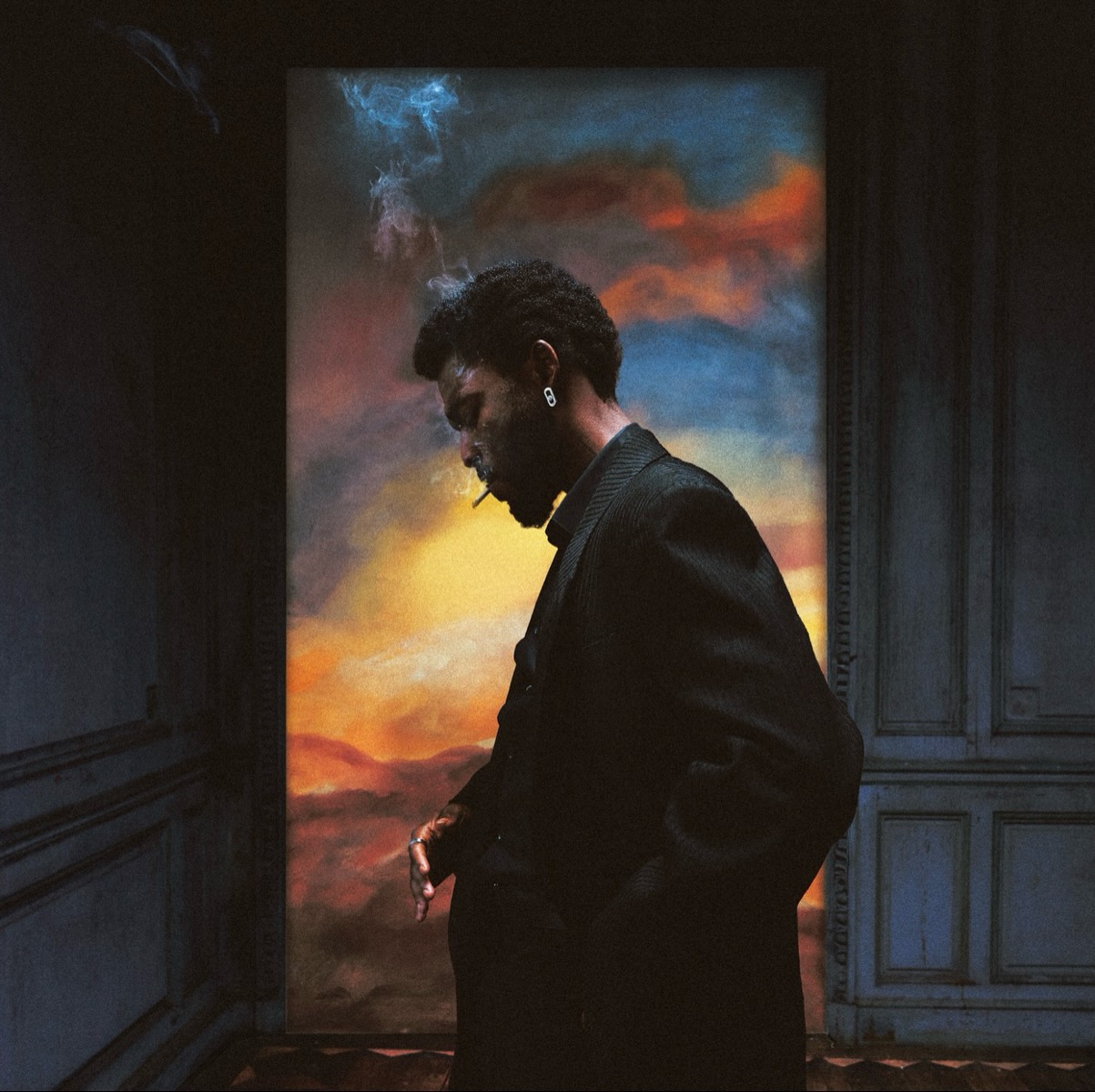
Opener Artificial Happiness sets this tone immediately. “Igbo is telling on me / I like what it’s saying, make I no stop / Before morning, the feeling will wash off / But tonight, we will die at the warfront.” Produced by a trio of David Hart, Orlandoh, and long-time collaborator Tempoe, the track unfolds like a slow descent into a comfortable fog. Omah Lay arrives with no apology in his voice. This is not a confession. It is a perfect album opener.
Tempoe’s fingerprints are on seven of the twelve tracks. The production across the album sits in a mid-tempo pocket that perfectly suits Omah Lay’s half-sung, half-mumbled delivery. It is a sound that feels simultaneously hedonistic and searching.
I Am is the album’s centrepiece. A collaboration with LEKAA Beatz, with whom Omah Lay has always had a near-telepathic chemistry, it is Afropop operating at its most globally inevitable.
Canada Breeze opens with jagged drums and contains some of his most unguarded writing on the album. “When I lost my bae and award all in one day / I call Selassie / 10G for GRAMMYs day / One backy don swallow my Cana’ / Now, I dey see things upside down” — it is the kind of line that lands like a confession he didn’t mean to make out loud. Probably his most vulnerable track on the album.
Holy Ghost and Waist were familiar ground by release day, both having dropped as singles beforehand. But they earn their place here because they feed the album’s central contradiction: religious language and hedonism arriving in the same sentence, with Omah Lay never once pretending to notice the gap.
Water Spirit makes this contradiction impossible to ignore. It is the album’s most explicitly sexual track, brazenly so, and yet it opens with imagery of a woman coming to “wash my sins away.” The sacred and the carnal share the same water.
Coping Mechanism, featuring Elmah, the album’s sole feature, is its most tender moment. Elmah’s vocals function as an instrument, soft and angelic against production that feels like rain on a window. If any track on this album is likely to outlive the cultural moment, it is this one.
Julia is admirable in ambition, a folk-rock experiment that is genuinely interesting to see attempted, and likely to become a live favourite as audiences warm to its restlessness.
Amen closes the album with genuine warmth but leans on production familiar enough to feel like a step down after the heights of I Am and Water Spirit. At just under 30 minutes, the project can feel like it is done before it has fully stretched its legs.
Some critics have noted that the album revisits familiar Omah Lay territory, the substances, the women, the existential anxiety, without always deepening them. That critique has merit. But it misses something crucial: Clarity of Mind is not trying to escape those themes. It is trying to make peace with them. The clarity in the title is not resolution. It is acceptance.
At the end of Clarity of Mind, Omah Lay asks God for peace of mind and enough money to buy anything he wants, in that order. He is still the man who cannot resist his earthly pleasures, still lighting up and going too deep into his feelings. But he no longer seems tortured by these contradictions. He seems amused by them. Liberated by them, even.