Tradition and modernity. Community and individual expression. These are the building blocks of Meji Meji. Launched in 2020, the brand, whose name comes from the Yoruba word “méjì” meaning “double” or “two”, celebrates duality: the blend of Nigerian roots and diaspora experiences, the tension and harmony between heritage and contemporary life.
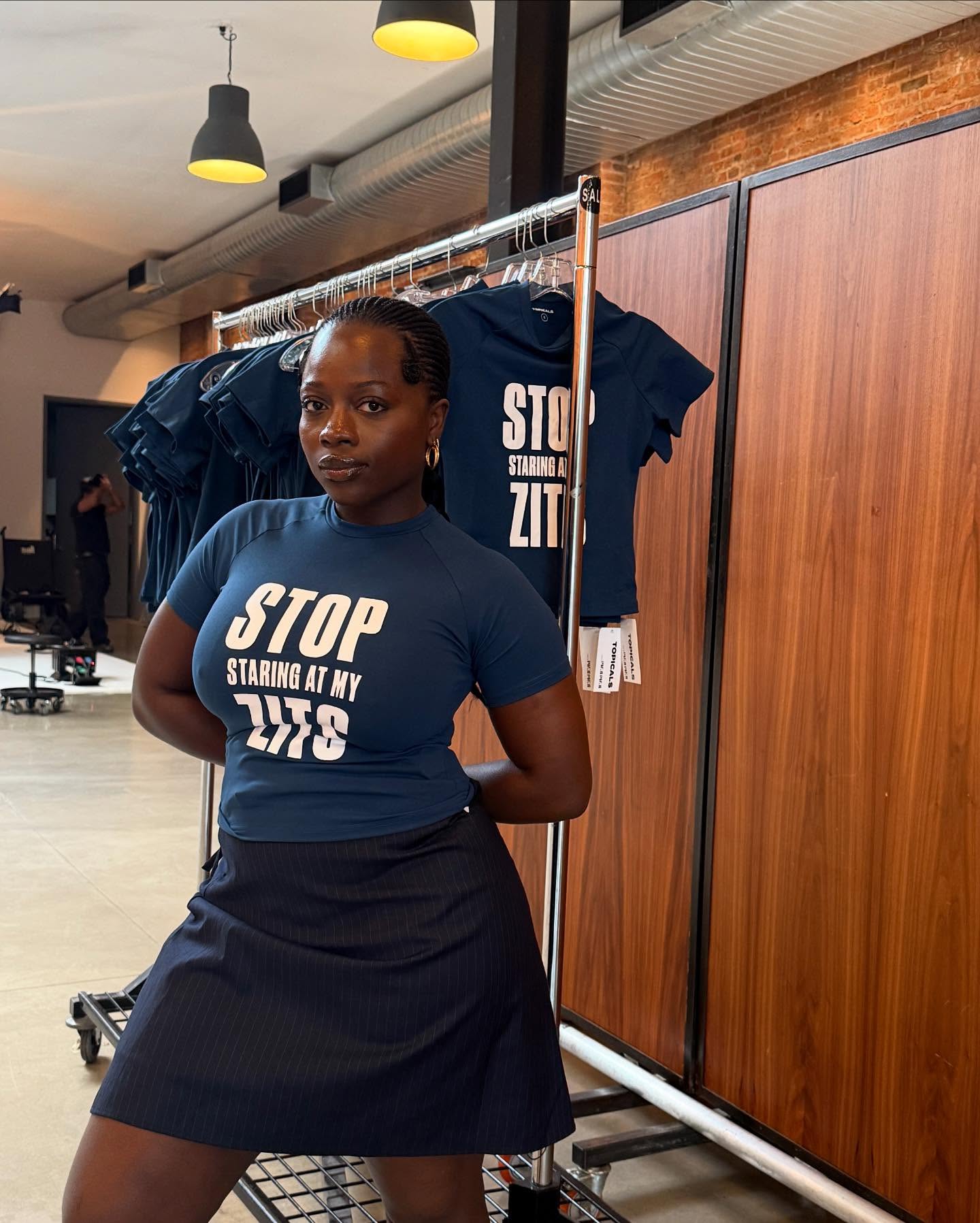
Tolu Oye in Topicals x Meji Meji Collab © Instagram
Tolulope Oye knew she wanted to make clothes before she could fully articulate why. At eight years old, she told guests in her Ohio home exactly what she planned to do with her life. Her family had moved from Lagos when she was five, and even then, the pull between two worlds was already shaping her. By fifteen, with her parents’ support, she left for New York to chase it properly.
Her mother, a former fashion apprentice, taught her pattern-cutting on coupon paper. It’s the kind of foundational, unglamorous skill that doesn’t make it into most brand bios, but it’s exactly the detail that explains everything about how Meji Meji operates: grounded, resourceful, passed down. Tolu went on to study at FIT (Fashion Institute of Technology in New York), double-majoring in fashion design and advertising and marketing, and then launched her brand in the middle of a global pandemic.
The brand’s first product was a collection of over 200 face masks, hand-dyed in Nigerian cotton. It was a practical response to the moment, but it also quietly introduced what Meji Meji would become: functional pieces with cultural soul, made with intention. The bucket hats that followed sold well enough to land a spot at Nordstrom. The foundation was real.
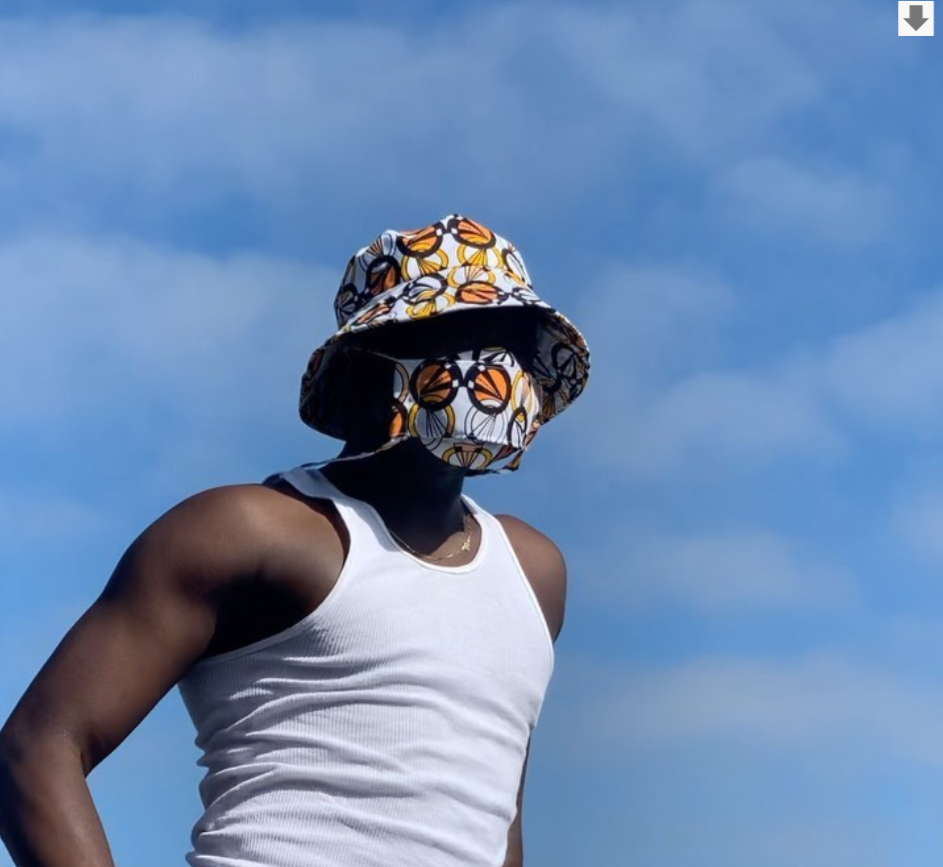
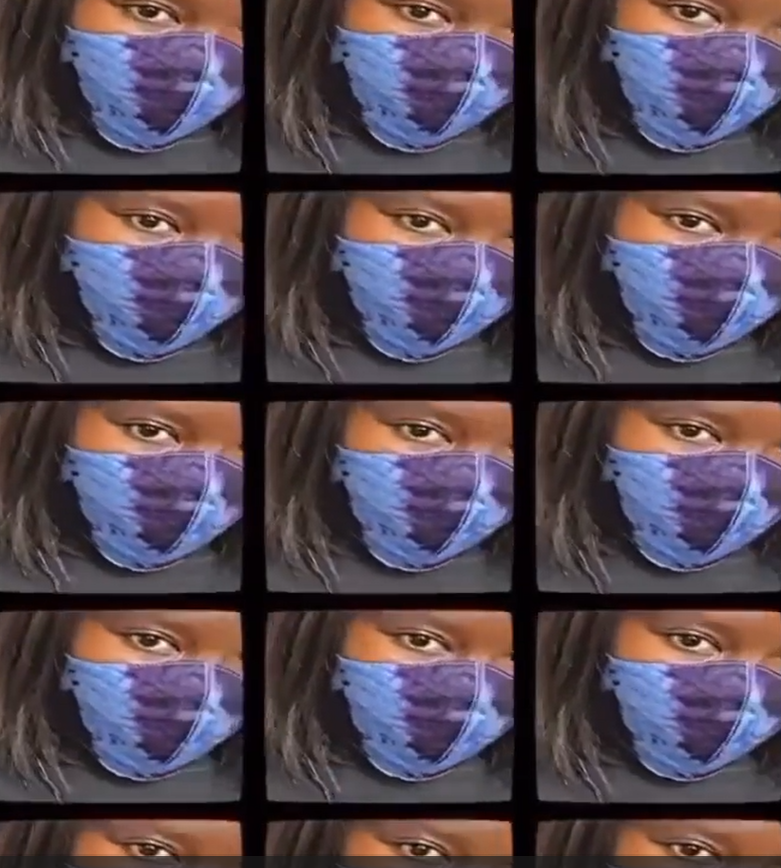
Meji Meji Face Masks in 2020 © Instagram
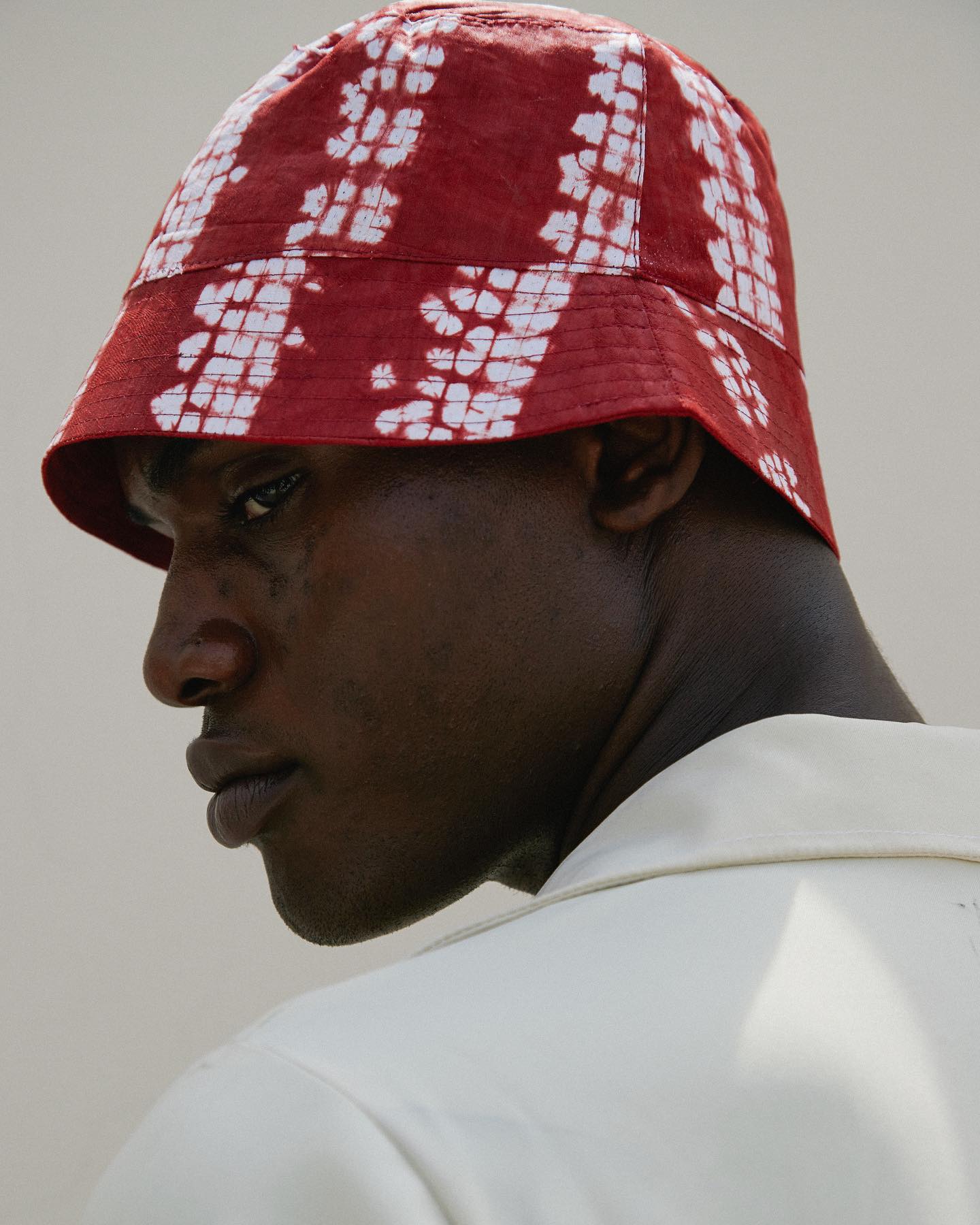
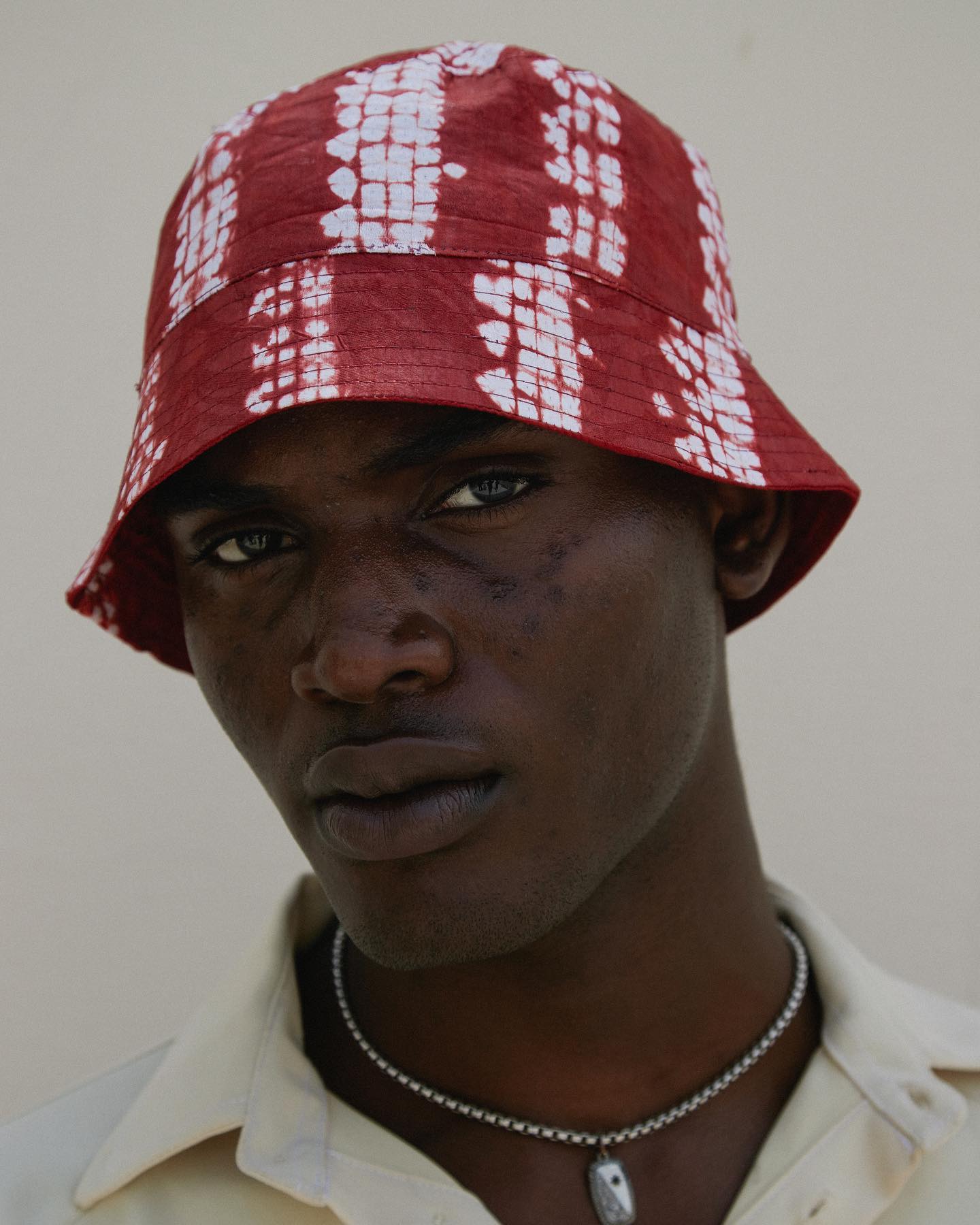
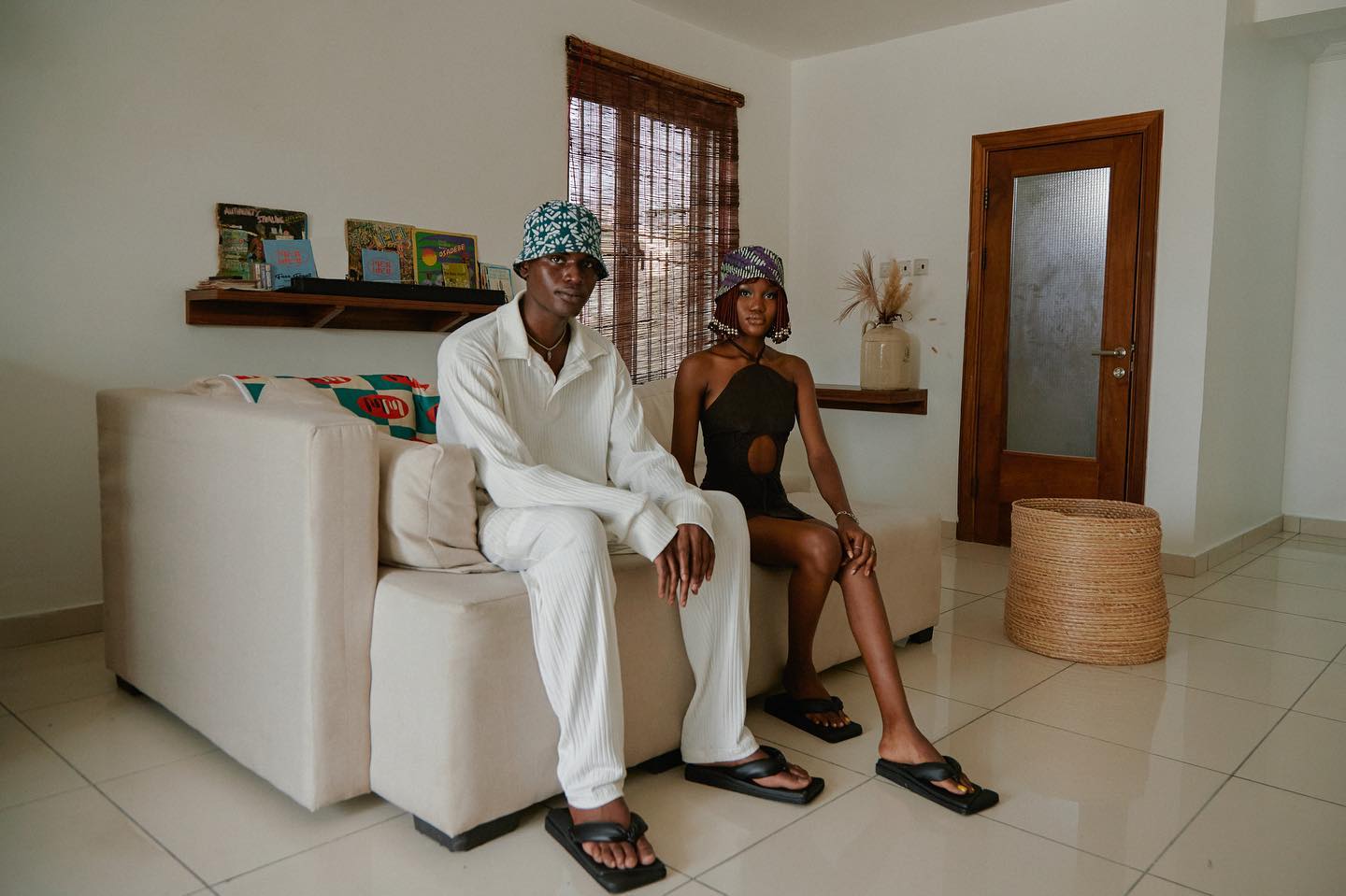
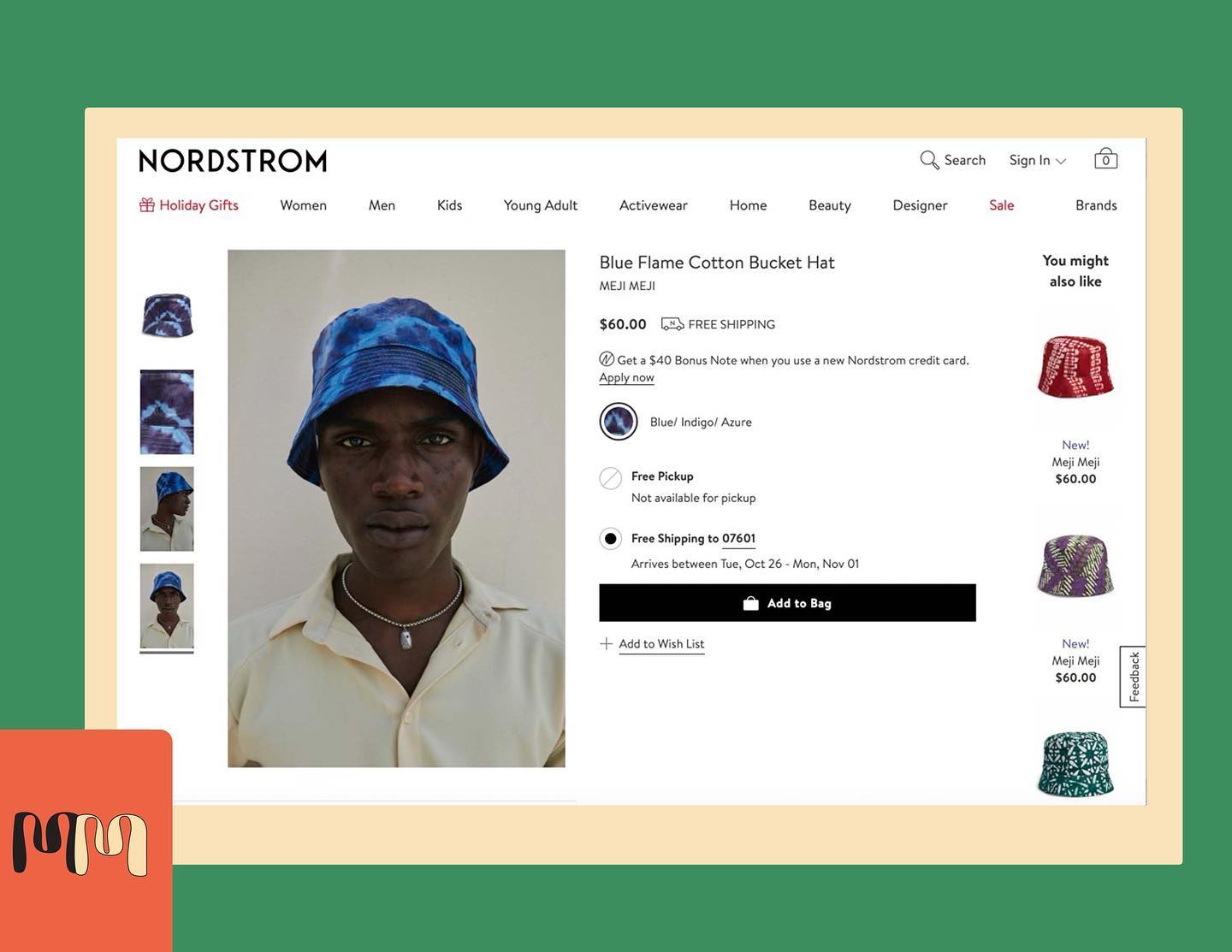
Meji Meji Bucket Hats in 2021 © Instagram
The name itself carries meaning beyond the Yoruba word. “Ore Meji Street” is where Tolu’s grandmother lives in Lagos, and the brand is, in many ways, a tribute to that address, to the women who raised her, and to the Nigerian streets and sounds that stayed with her long after she left.
Meji Meji’s aesthetic doesn’t need to announce itself, it just feels like something you already know. Classic Nollywood energy. The golden era of Fuji. The particular confidence of an aunty in her Sunday best. The mundane beauty of a danfo ride, a salon afternoon, a street corner at golden hour in Lagos.
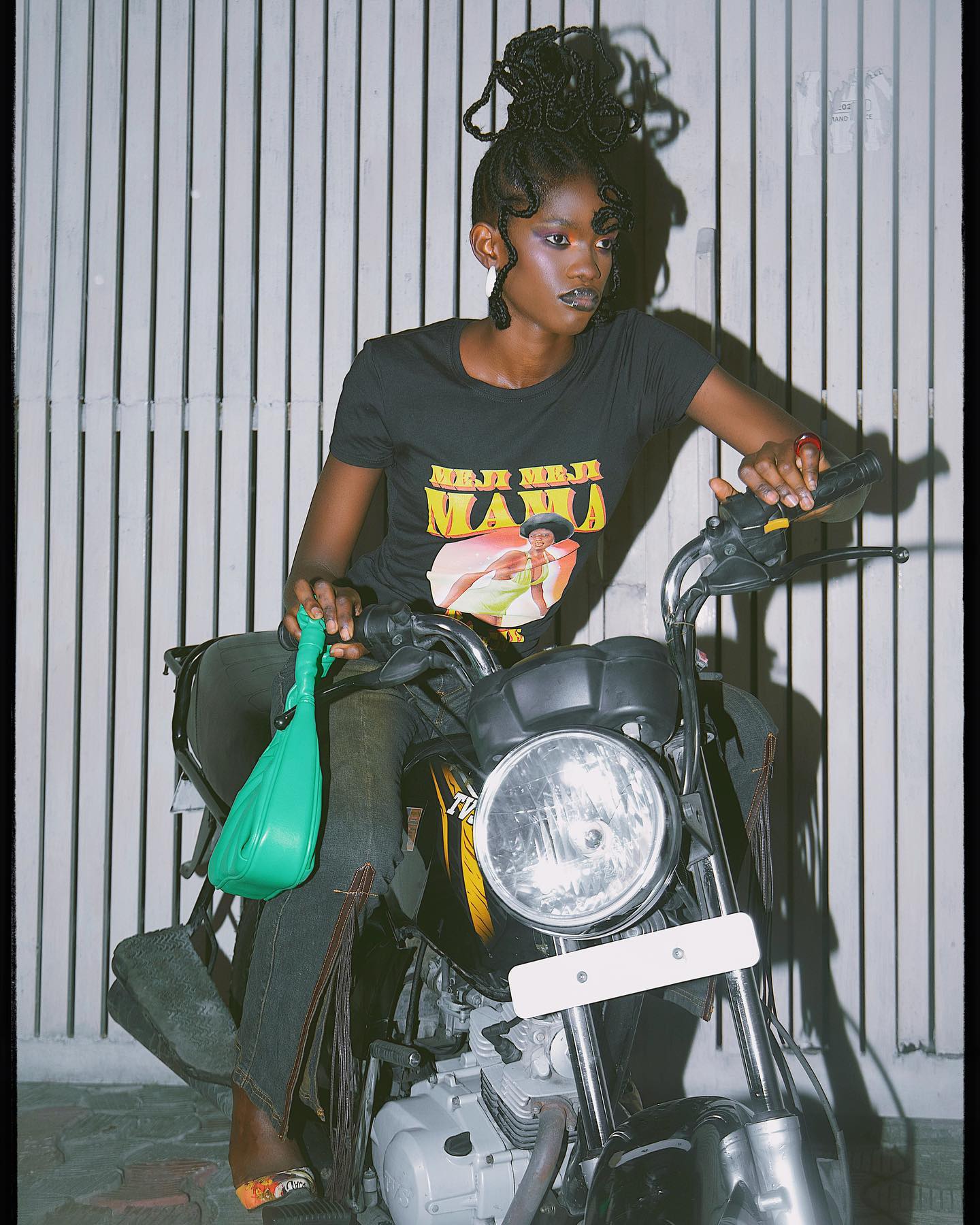
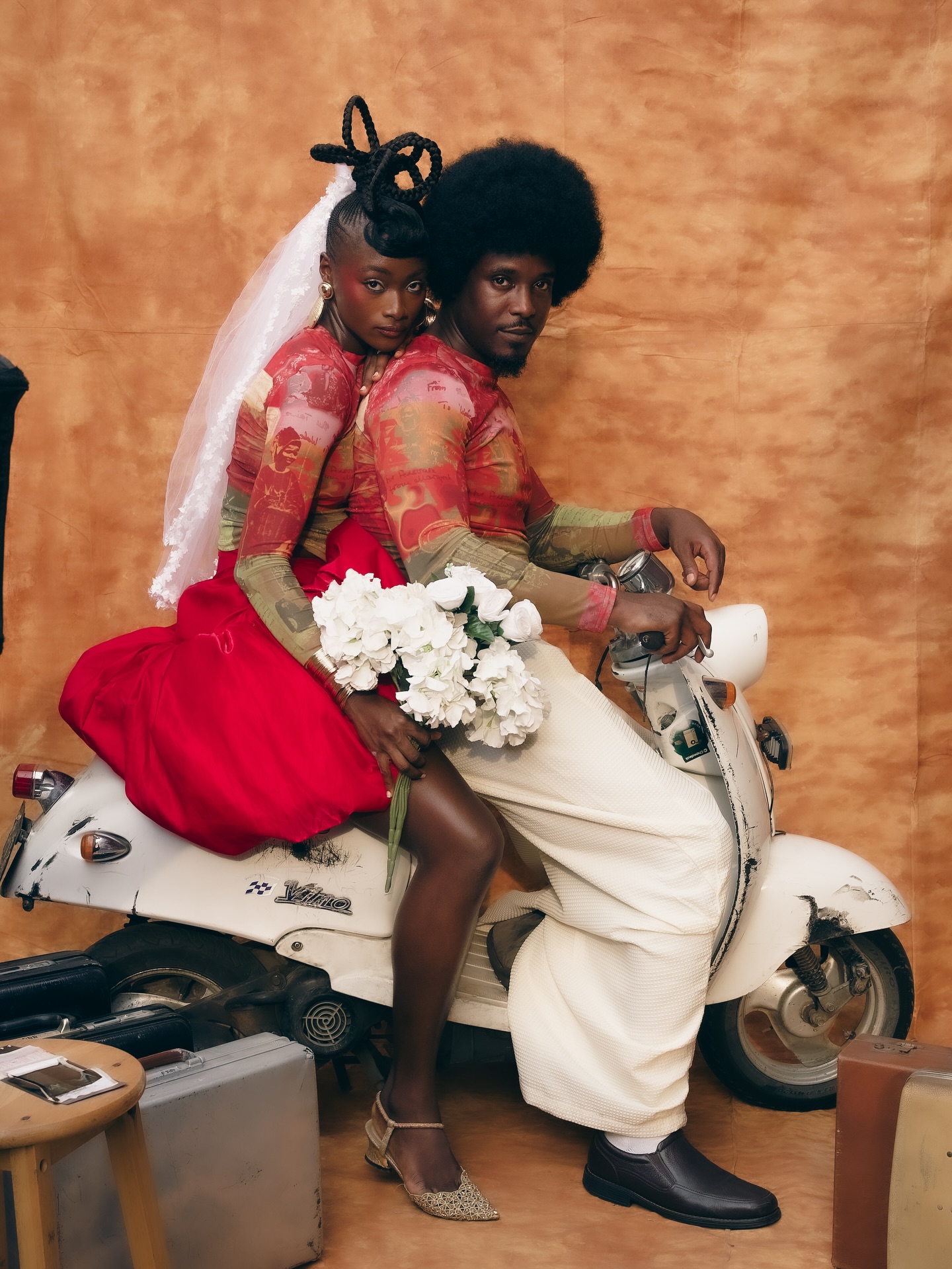
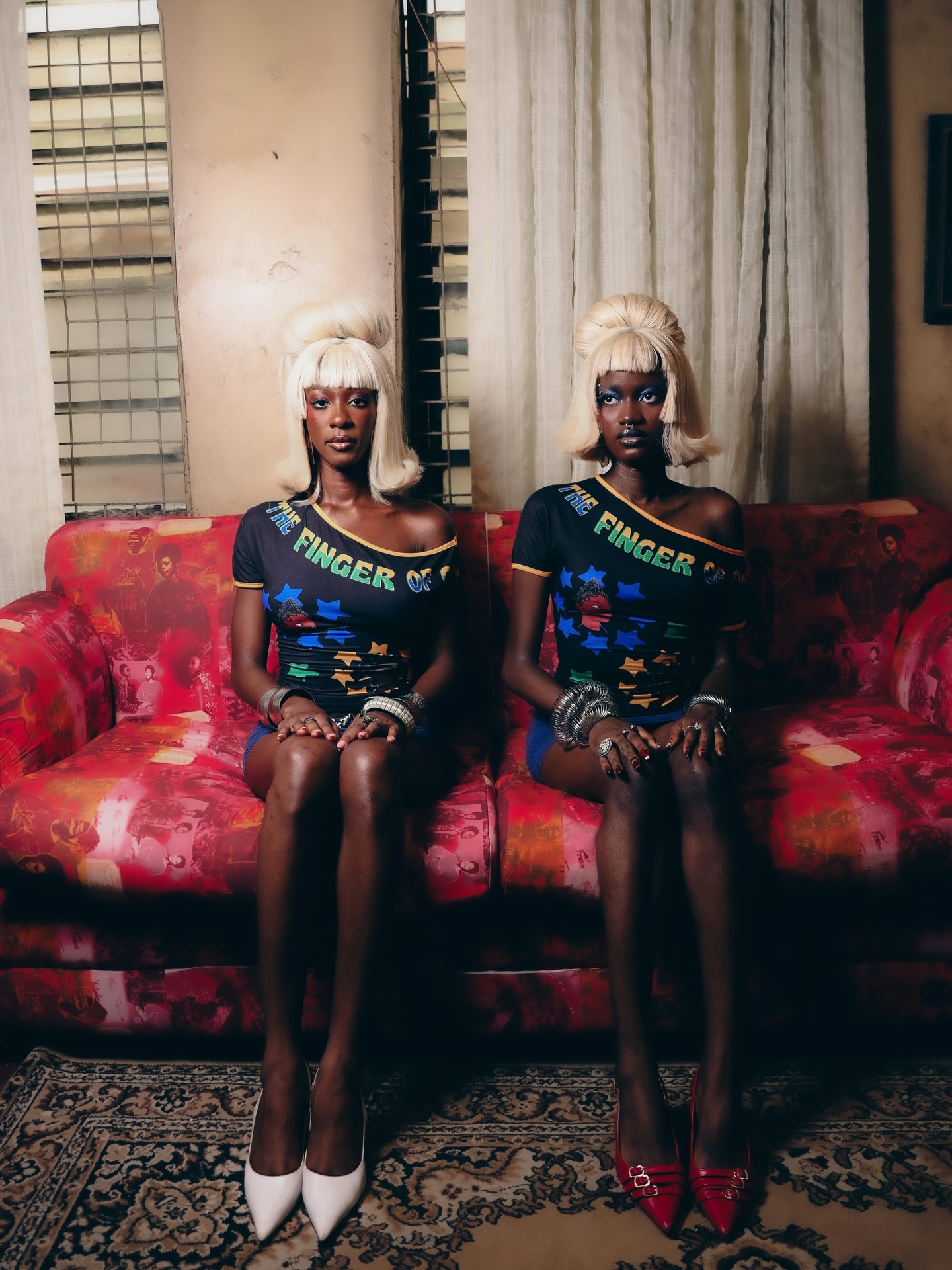
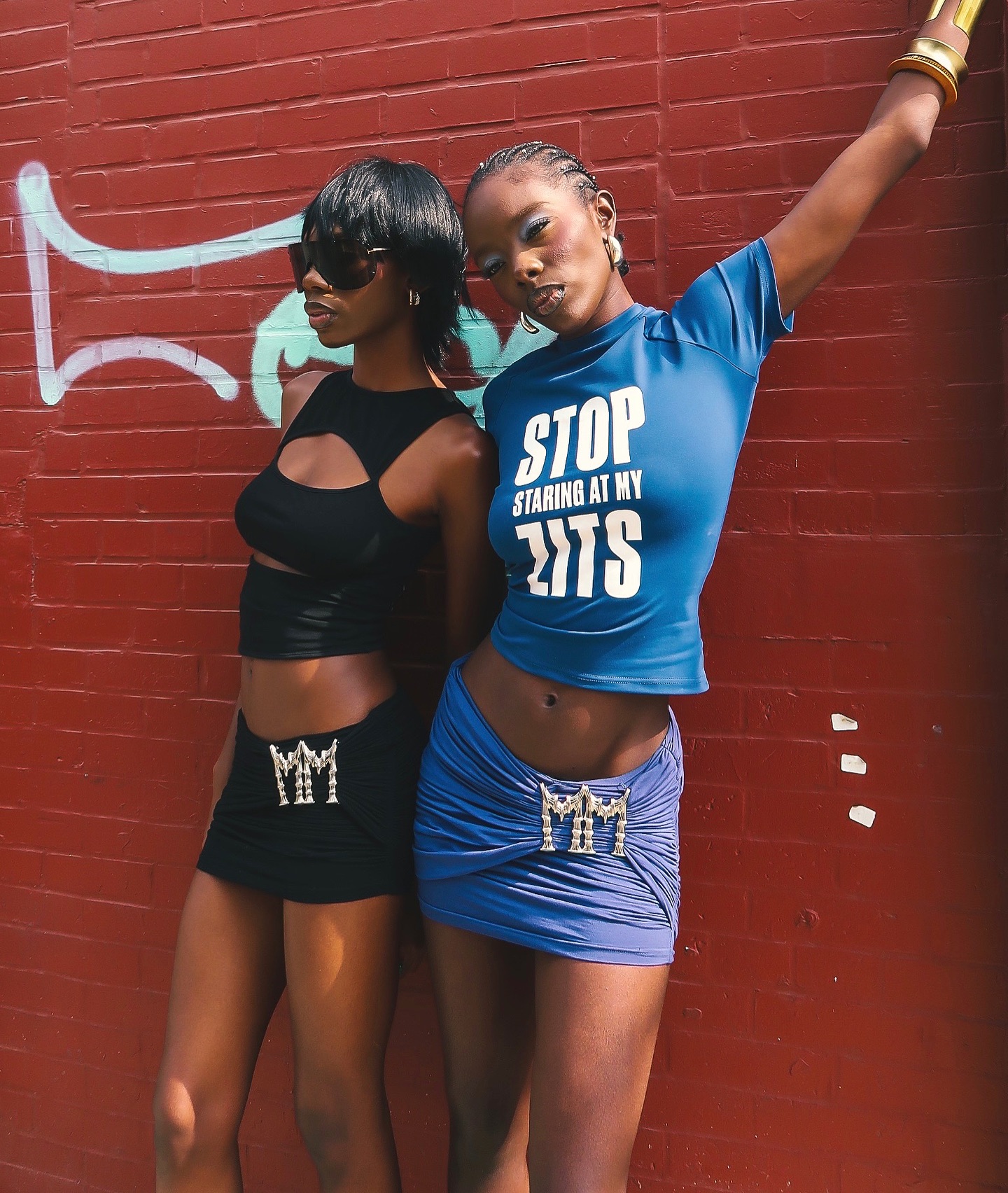
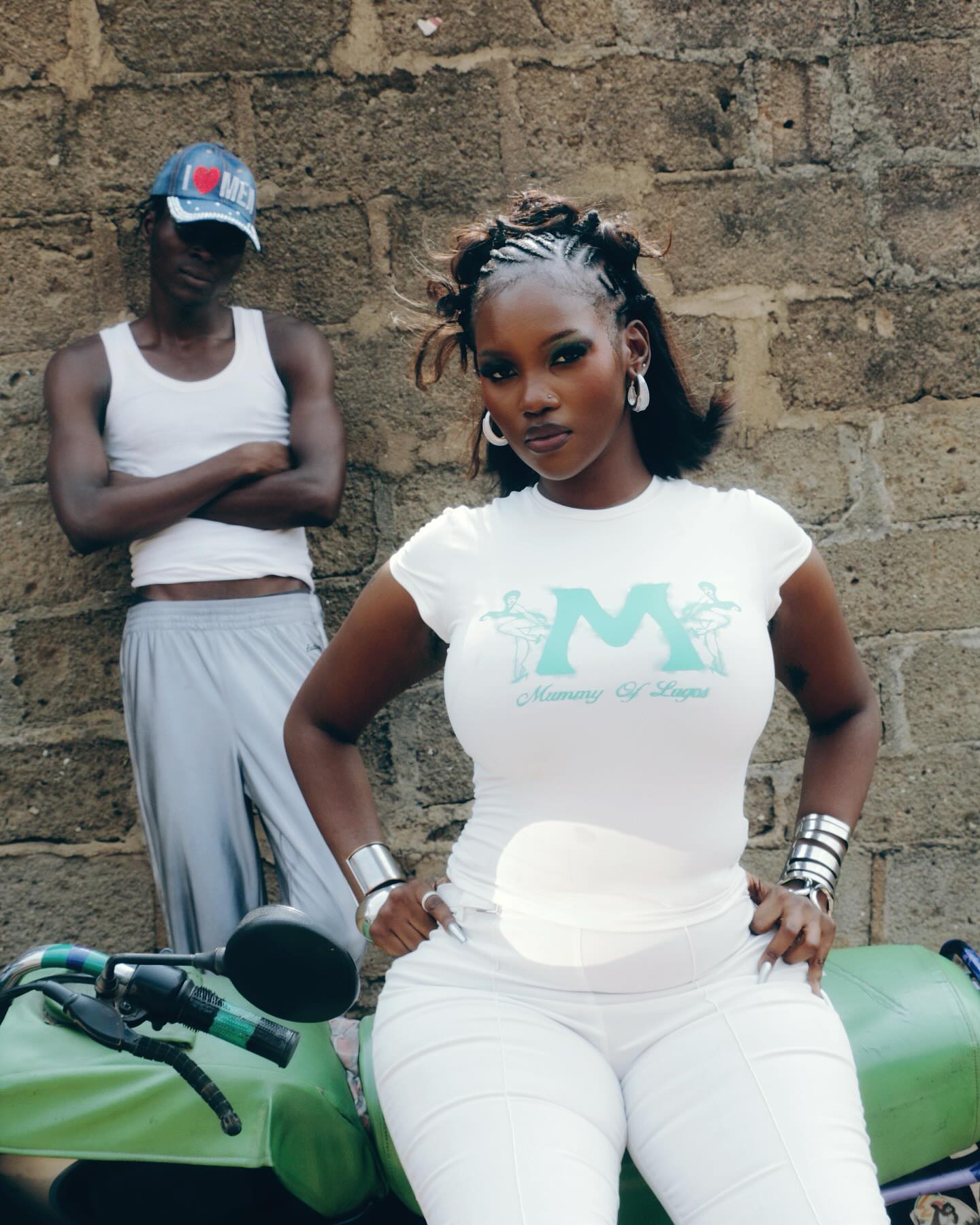
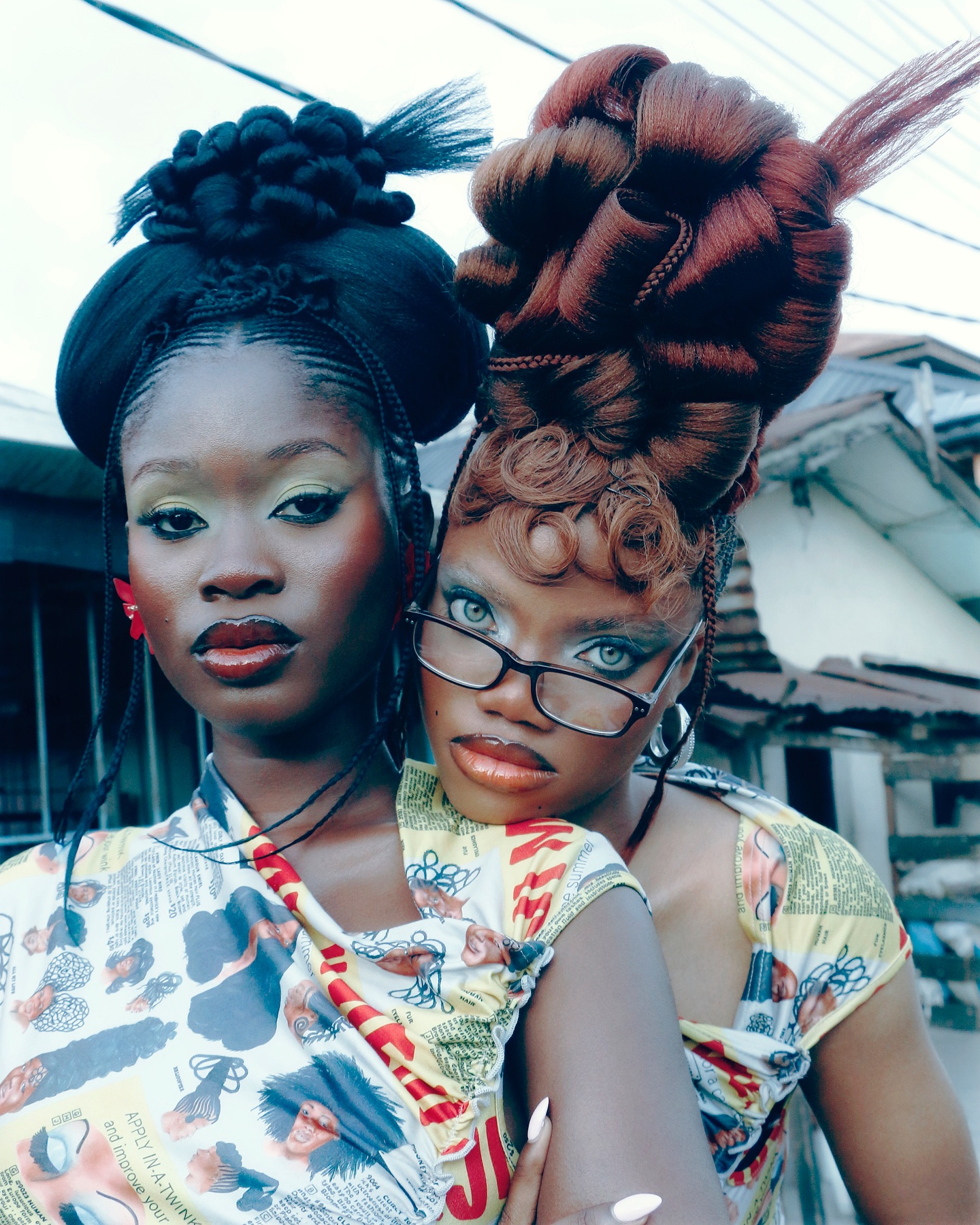
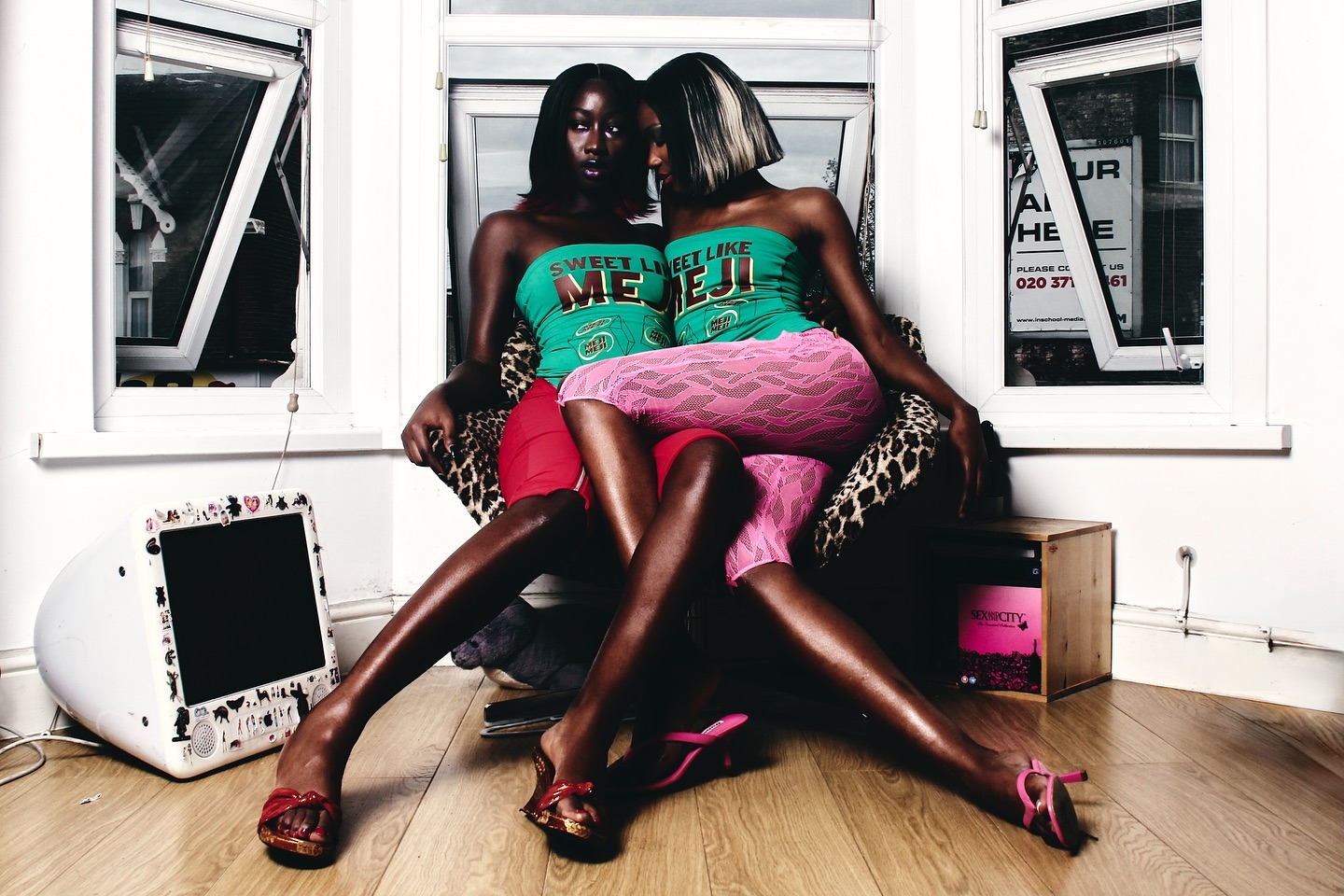
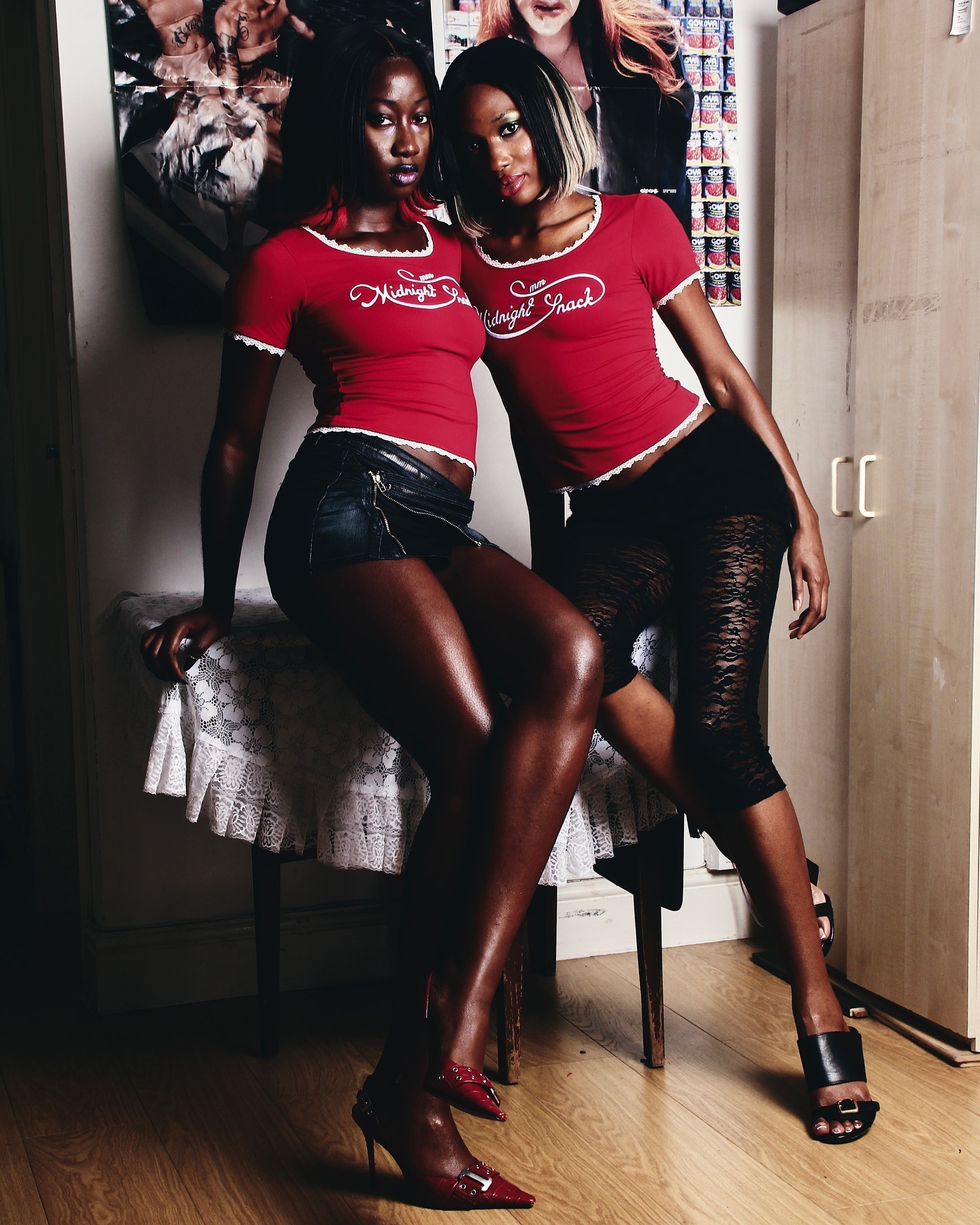
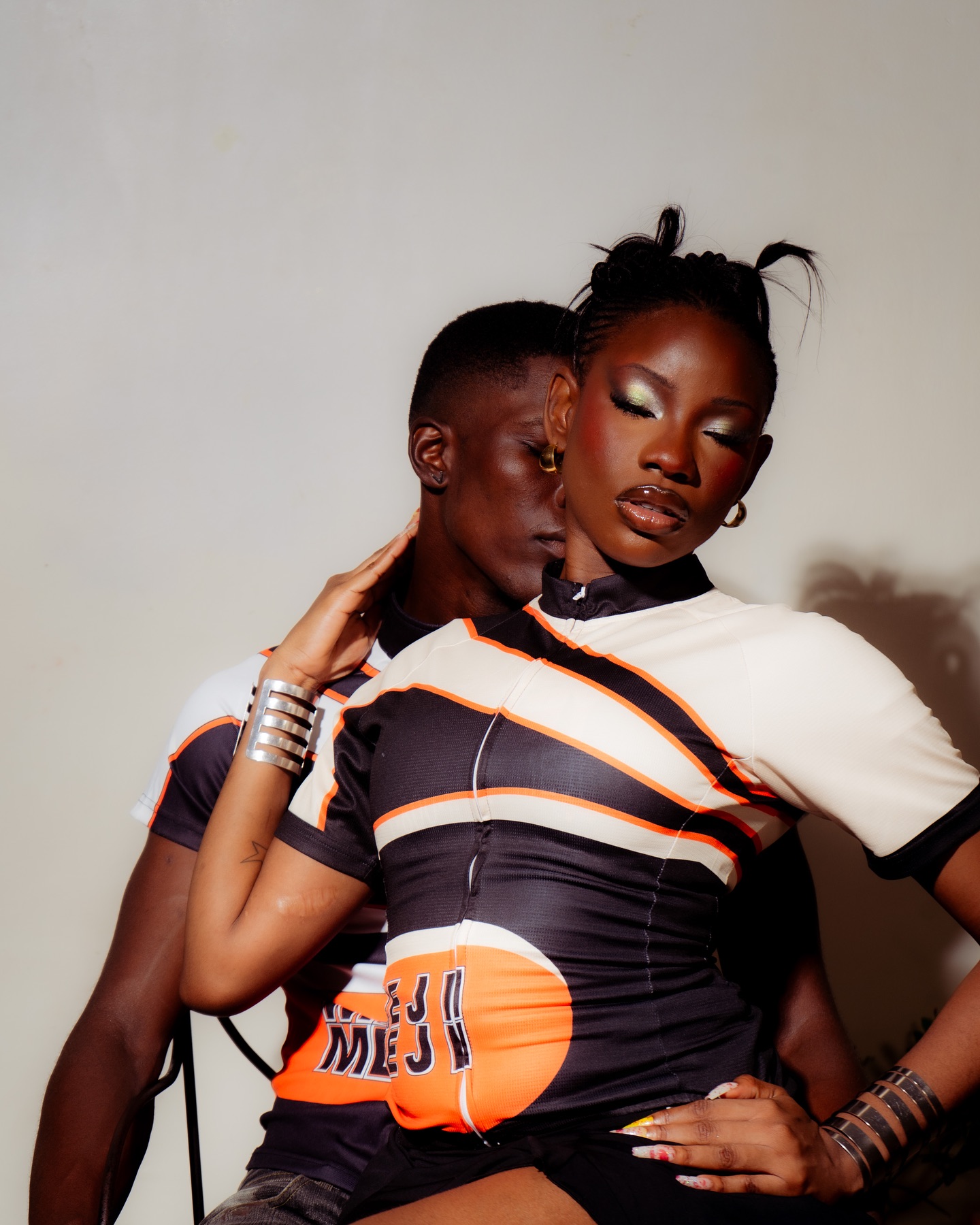

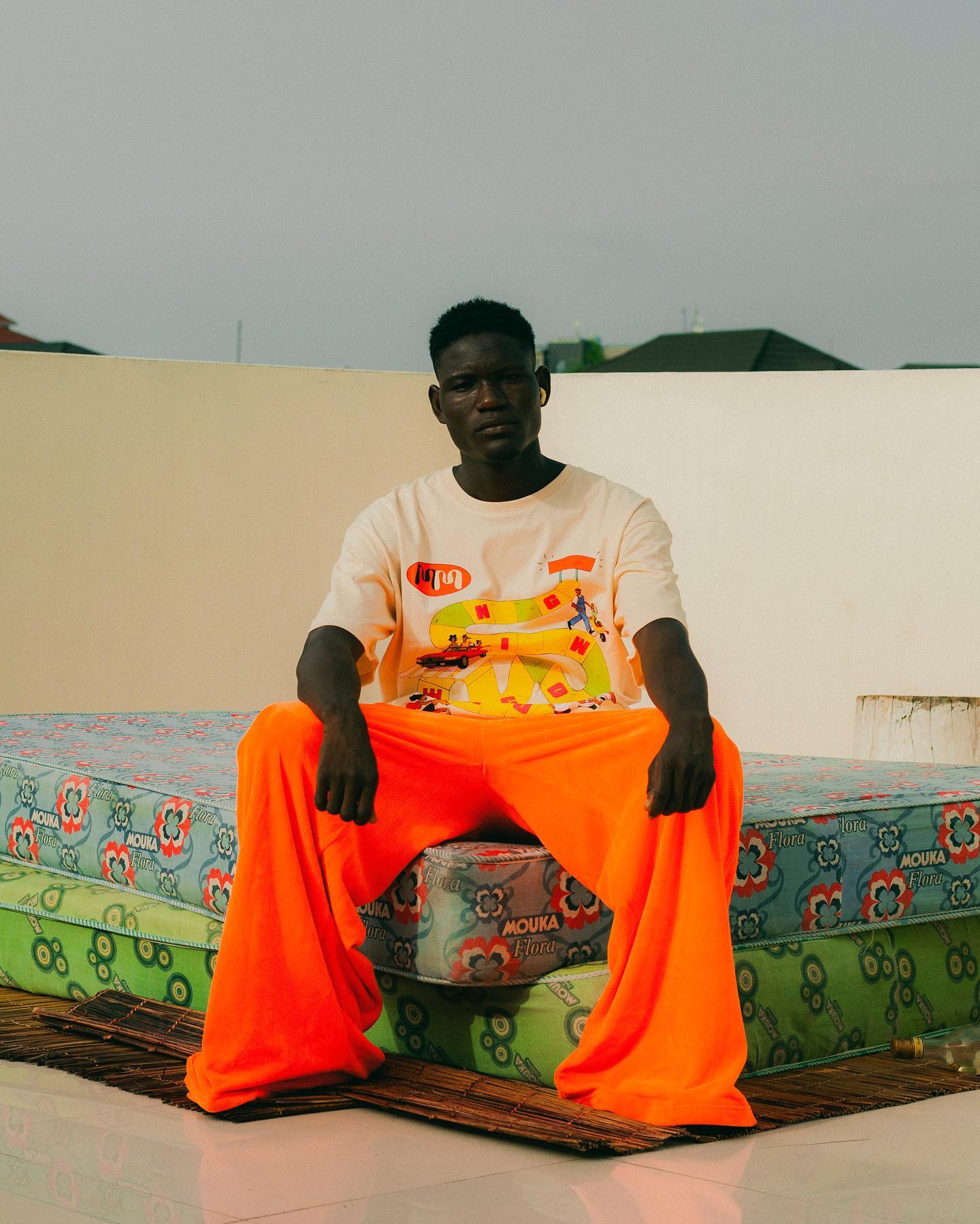
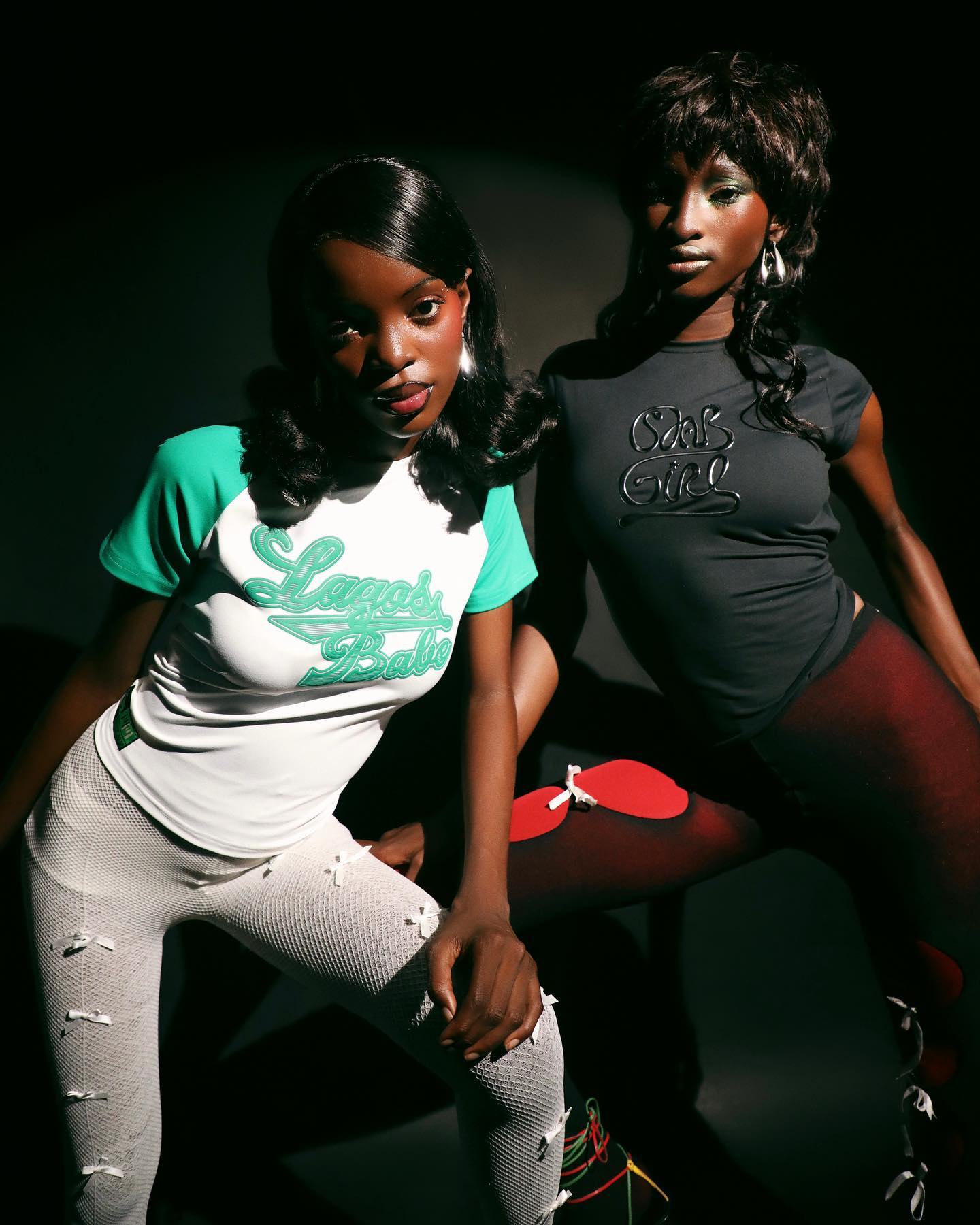
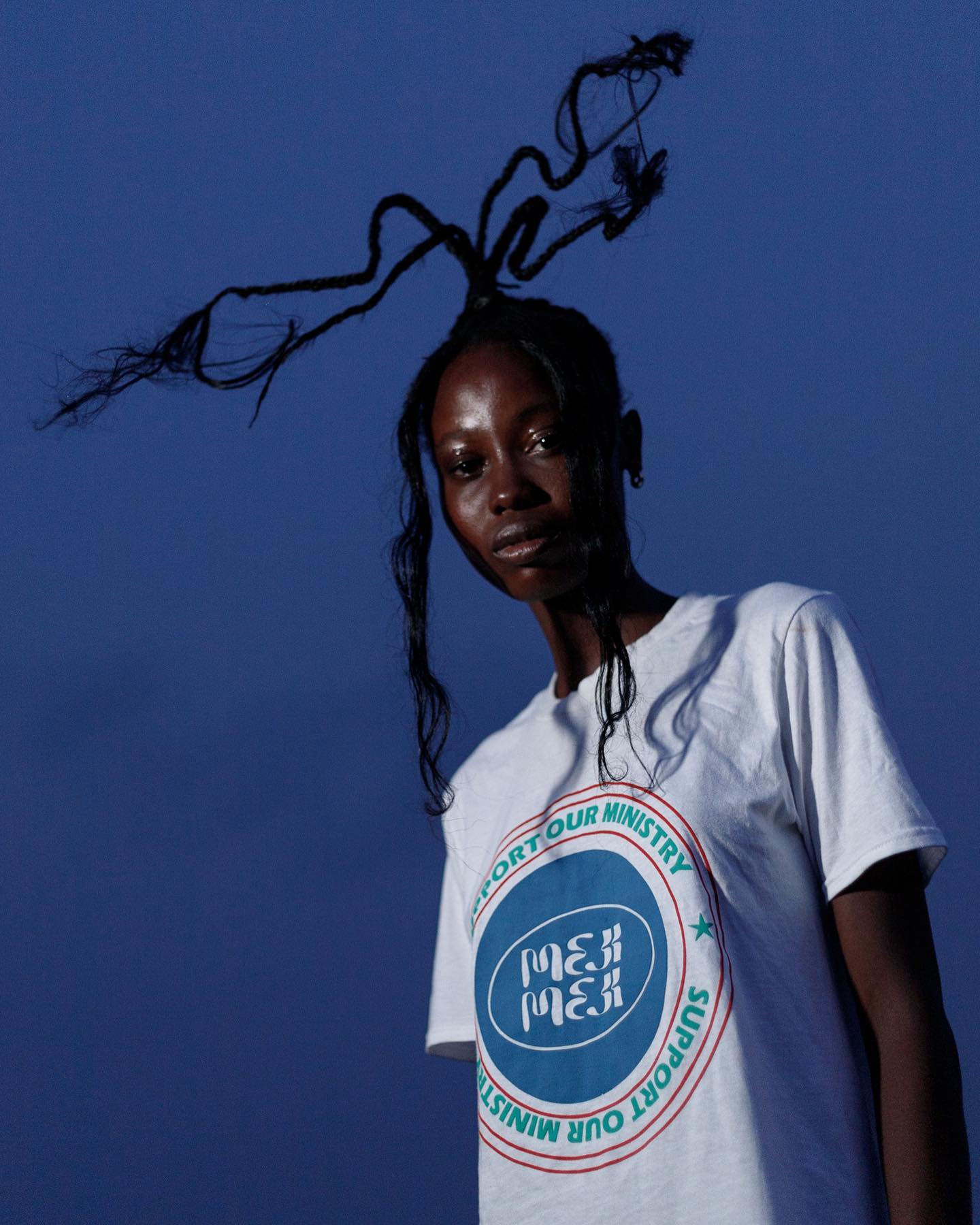
Image Credit(s): Meji Meji © Instagram
Signature pieces, graphic tees, the Danfo Skirt, mesh jerseys, Milo hat, cycling tops, “Finger of God” Salon Top, the Soul Sistas Jacket, carry this language naturally. They’re casual but deliberate, nostalgic without being costumey. The “Na Me Cause Am” tee, arguably the brand’s most recognisable piece, does what great graphic design does: it communicates a full attitude in a single glance.
Big Queen On Small Street Graphic Tee // Image Credit(s): mejimeji.co
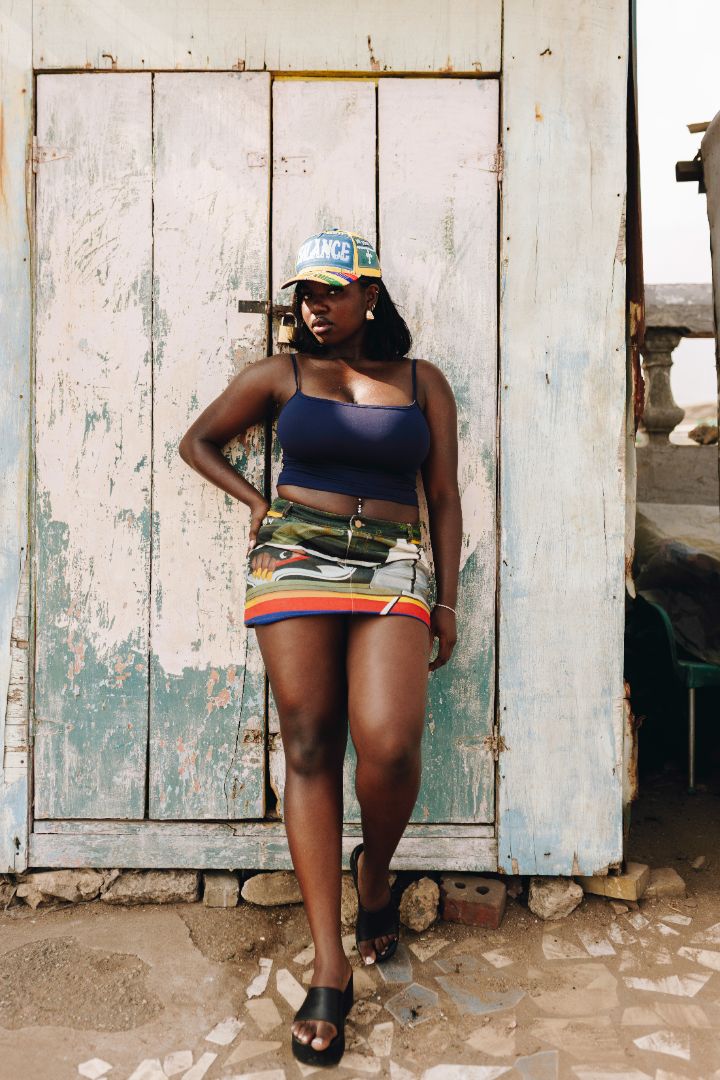
Danfo Skirt // Image Credit(s): mejimeji.co
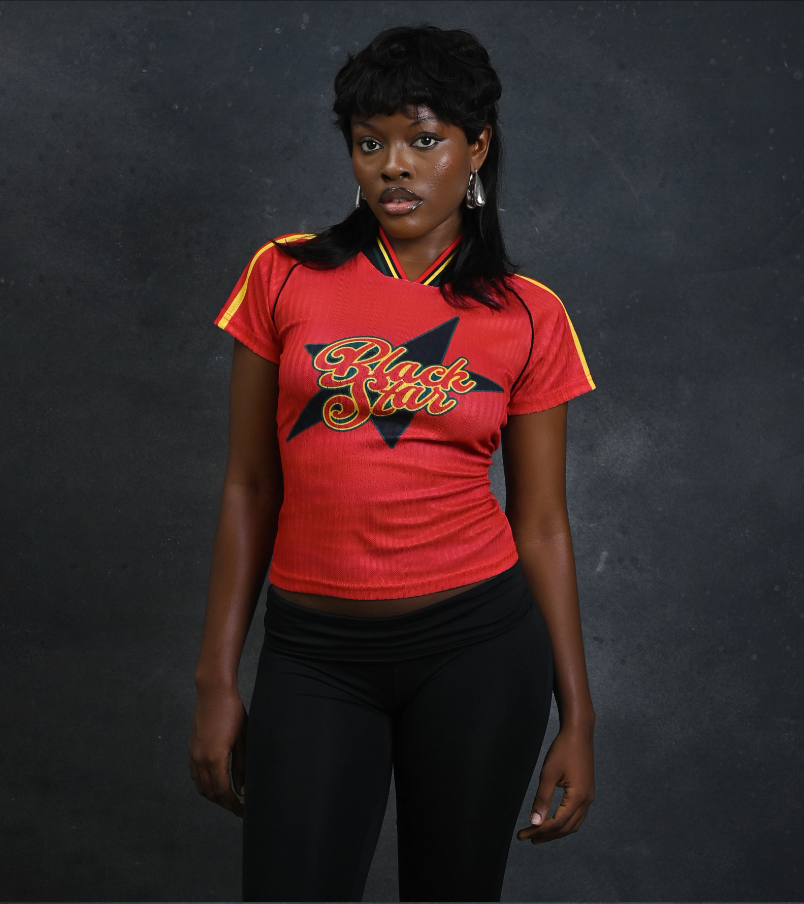
Black Star Jersey // Image Credit(s): mejimeji.co
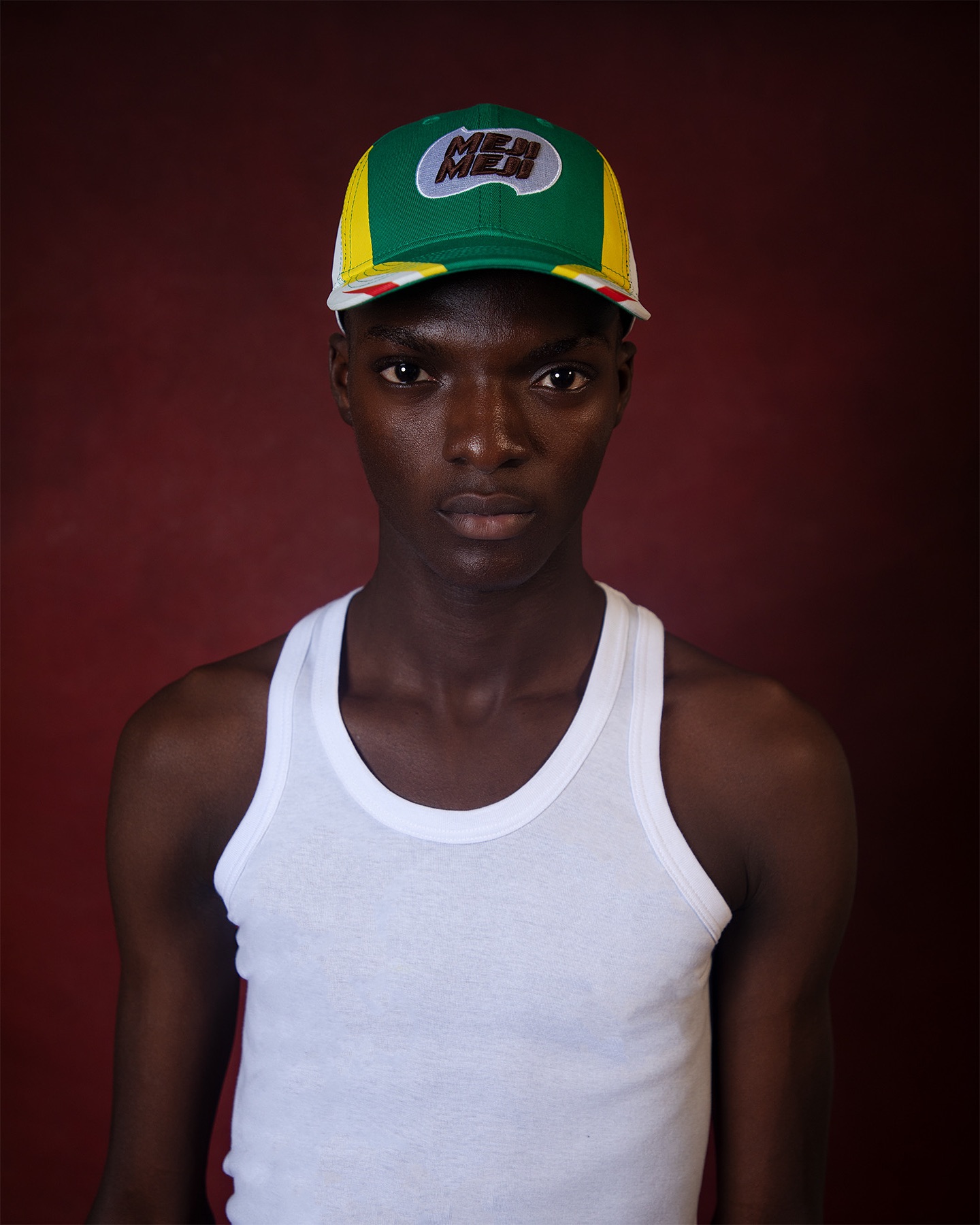
Milo Hat // Image Credit(s): mejimeji.co
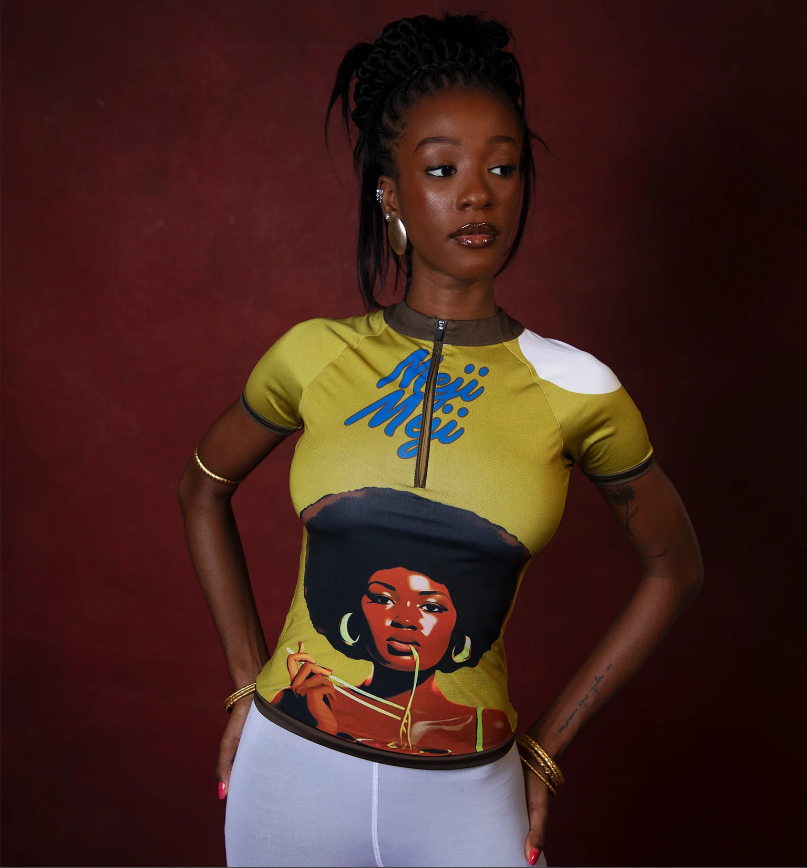
Ko Mi Je Rush Cycling Top // Image Credit(s): mejimeji.co
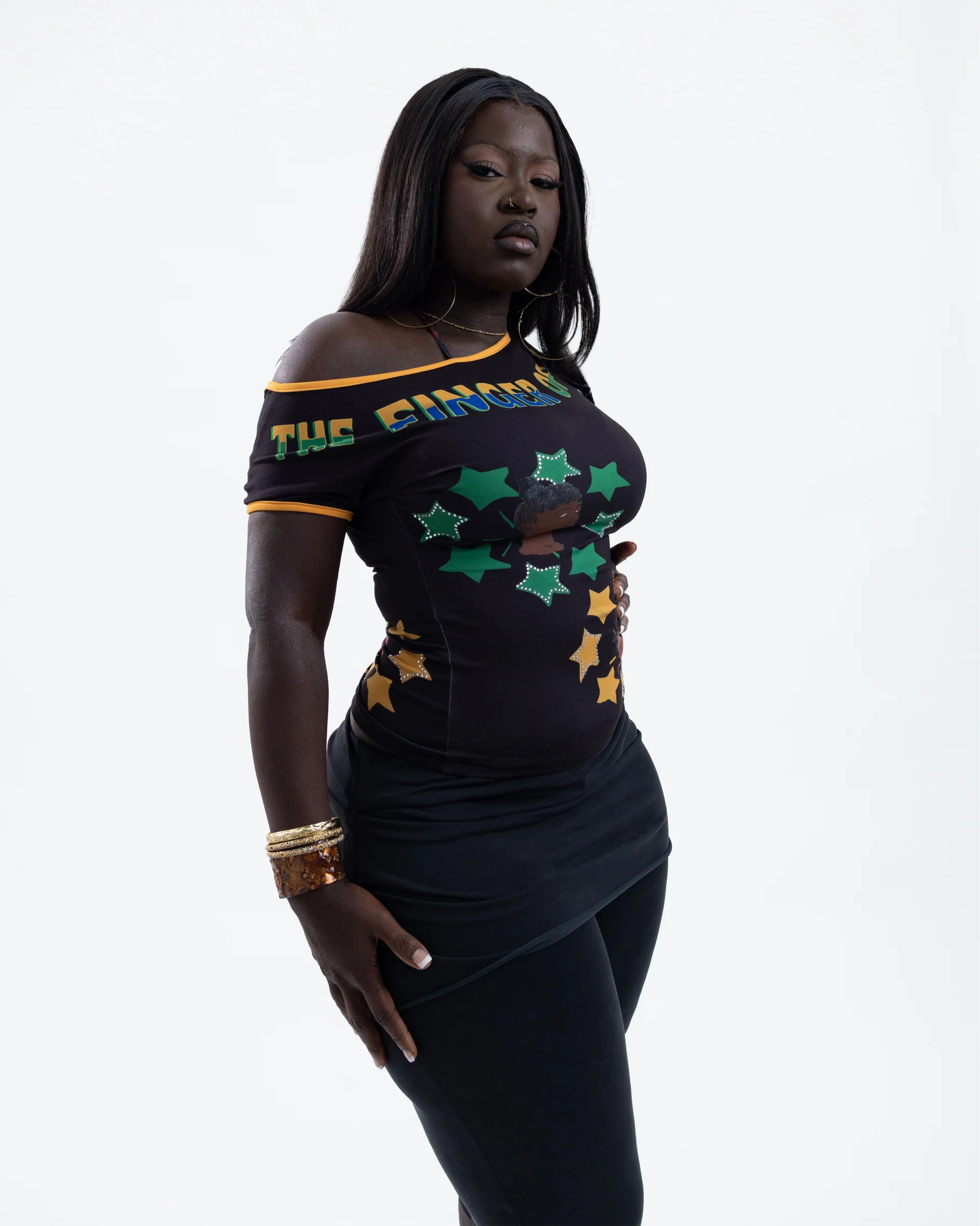
Finger of God Salon Top // Image Credit(s): mejimeji.co

Soul Sistas Jacket // Image Credit(s): mejimeji.co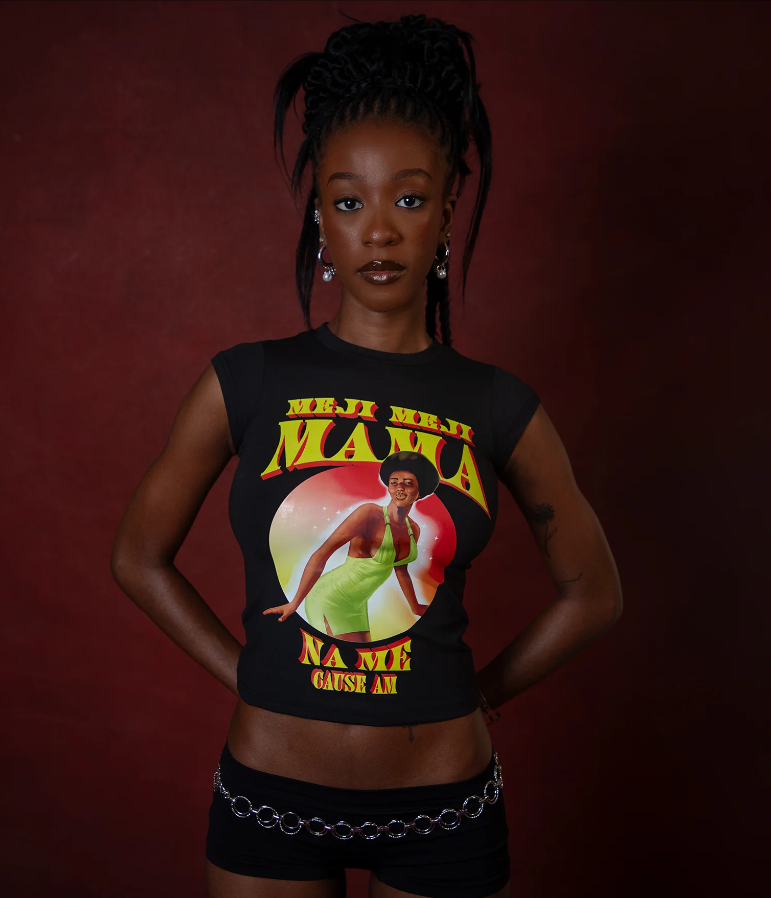
Na Me Cause Am Tee // Image Credit(s): mejimeji.co
The production side is just as considered. Nothing in a Meji Meji collection lands by accident. Tolu approaches each drop as a chapter, rooted in a specific reference, a memory, a feeling she is trying to put into fabric. The family album. The salon. The Badge of Glory. These transcend mere mood board aesthetics borrowed for the season to become actual source material, drawn from real life and treated with the seriousness it deserves. The result is clothes that feel like they were made for someone specific, and that specificity is exactly why they travel so well.
Tolu has described building Meji Meji as building a “ministry”, and the way the brand presents itself online reflects that. Sections like Mama’s Diary, Mama’s Couch, and Mama’s Radio & TV exist alongside the shop, sharing stories, music, and culture. The clothes are the entry point. The world around them is the point.
This community focus is baked into the name itself. To double is to expand the circle, to make sure more people are included. It’s a generous philosophy for a brand to operate from, and it shows in the collaborations, the pop-ups, Lagos, London, Paris, and the way the brand travels between continents without losing its centre of gravity.
In a landscape where African aesthetics are often borrowed, flattened, or repackaged by outside hands, Meji Meji is a clear example of what it looks like when Nigerians tell their own stories. Tolu has spoken directly about this, the importance of Africans controlling their own cultural narratives, of building legacies that don’t require outside validation to be legitimate.
The brand proves that you can stay true to your cultural references and still build something with genuine global traction. That’s not a small thing. For young Nigerian designers watching.
For anyone wearing it, whether they grew up on Ore Meji Street or are discovering Lagos from a distance, Meji Meji is a reminder that heritage is not a limitation. It’s the whole point.