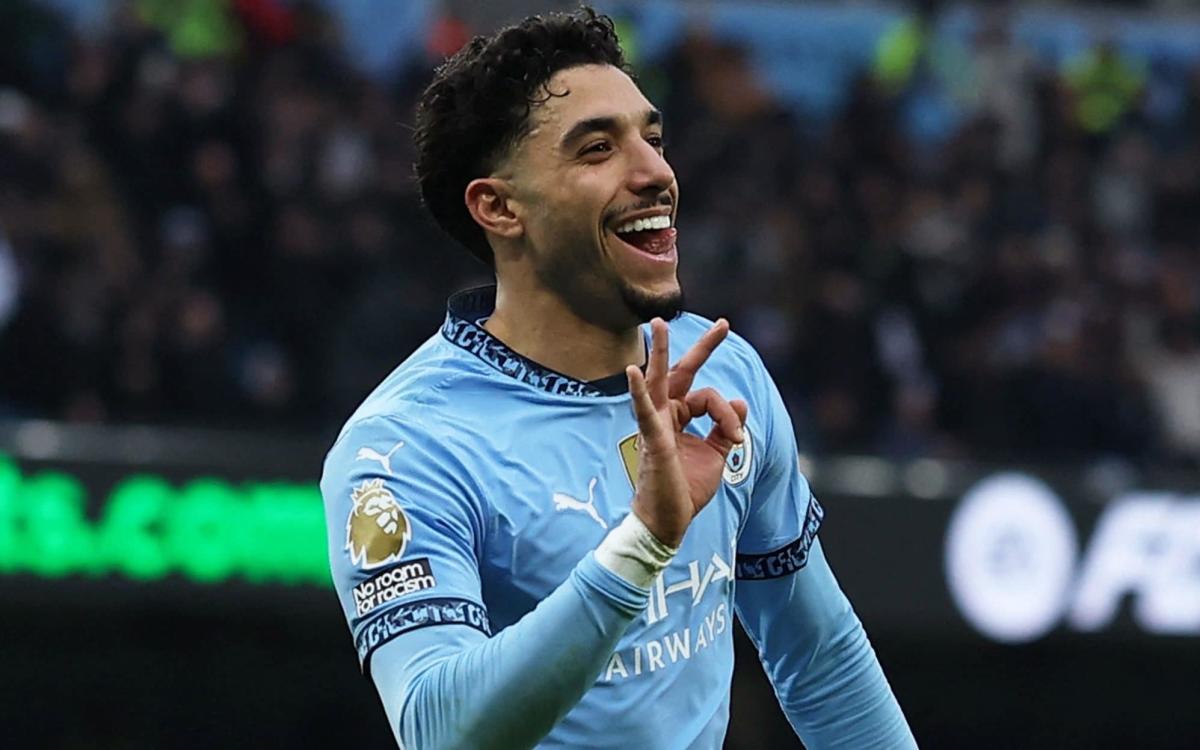
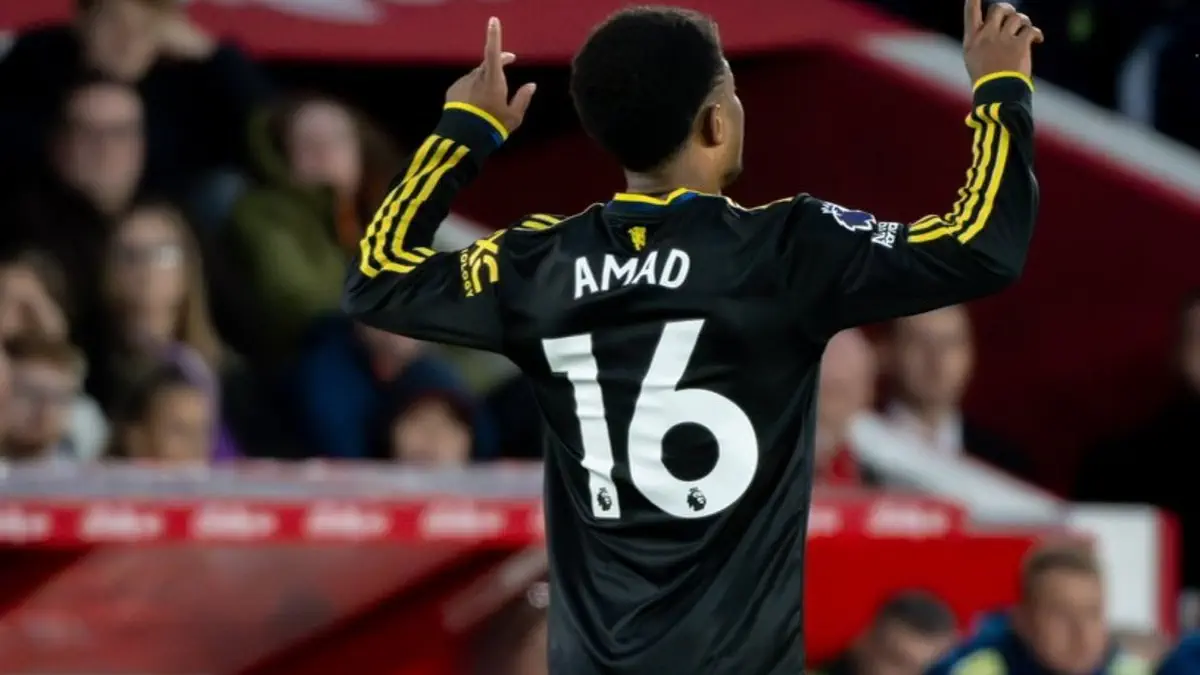
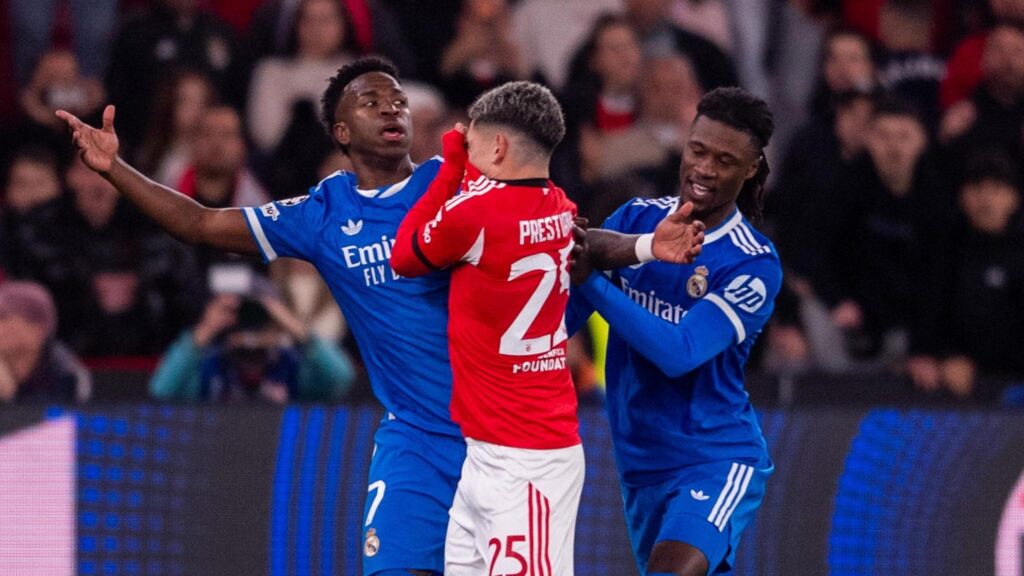
On February 17th, 2026, Vinicius Junior scored for Real Madrid against Benfica in Lisbon and celebrated with a dance. Benfica’s Gianluca Prestianni allegedly called him a “monkey,” covering his mouth with his shirt to hide the slur. Kylian Mbappé and Aurélien Tchouaméni say they heard it too. The match was halted for 10 minutes.
February 21st, 2026. Wesley Fofana is sent off in Chelsea’s 1-1 draw with Burnley. Within hours, his Instagram is flooded with monkey emojis and messages telling him he belongs in a zoo. Burnley’s Hannibal Mejbri was also subject to racist abuse.
February 22nd, 2026. Tolu Arokodare missed a penalty in Wolves’ 1-0 defeat to Crystal Palace. The racist messages arrive before the final whistle.
Same day. Romaine Mundle came off the bench for Sunderland against Fulham, but missed a chance in their 3-1 defeat. The abuse is so vile that he deleted his Instagram account entirely.
Five Black footballers. Five racist incidents. One week.
This is 2026. Not 1986. Not 2006. 2026.
Yet, here we are, having the same conversations, seeing the same banners, reading the same statements.
Performance Is Not the Issue
Let’s be clear about something: no matter what happens on the pitch, racist abuse is never warranted. Fofana got sent off. Arokodare missed a penalty. Mundle missed a chance. These are things that happen in football. Red cards happen. Penalties get missed. Substitutes don’t always score.
And Vinicius? He scored. He celebrated. That was his crime.
None of these performances, good or bad, justify racist abuse. The idea that “if you play badly, expect abuse” needs to end. You can criticise a player’s performance without being racist. It’s not difficult. Yet grown adults seem incapable of this basic level of human decency.
This past week wasn’t an anomaly. Vinicius has filed 18 legal complaints for racial abuse since 2022. Romaine Mundle was racially abused in February 2025 after a Sunderland match against Hull City. One year later, same story. Wesley Fofana has dealt with this throughout his career.
When Fofana posted about the abuse, he said: “2026, it’s still the same thing, nothing changes. These people are never punished.”
Arokodare echoed the same frustration: “It’s still unbelievable to me that we’re playing in a time where people have so much freedom to communicate such racism without any consequences.”
They’re right. Nothing changes because the consequences are too small to matter.
After the Vinicius incident, José Mourinho, Benfica’s manager, offered this response: “I’ve spoken with both of them. Vinicius says one thing, and Prestianni says another. I don’t want to be ‘red’… and I don’t want to say that I 100% support Prestianni; but I can’t be ‘white’ and say that what Vinicius told me is the truth.”
Read that again. Mourinho, one of football’s most decorated managers, essentially said “both sides have a point” when it comes to racist abuse. Clarence Seedorf called it what it was: “José Mourinho made a big mistake today to justify racial abuse.”
Benfica defended Prestianni, claiming the Real Madrid players were “too far away” to hear what was said. As if three professional footballers on the same pitch somehow collectively hallucinated the same racial slur.
And the punishment? Prestianni received a provisional one-match ban. One match. He might face a 10-match ban if UEFA’s investigation finds him guilty. Might. If.
Meanwhile, Chelsea released a statement saying they were “appalled” by the abuse directed at Fofana. Wolves called the abuse directed at Arokodare “abhorrent and unlawful.” Sunderland said they were “appalled by the vile online racist abuse” sent to Mundle. The Premier League tweeted that “football is for everyone.”
Instagram removed some accounts. Police opened investigations. The “No Room for Racism” banners will go up at the next round of matches.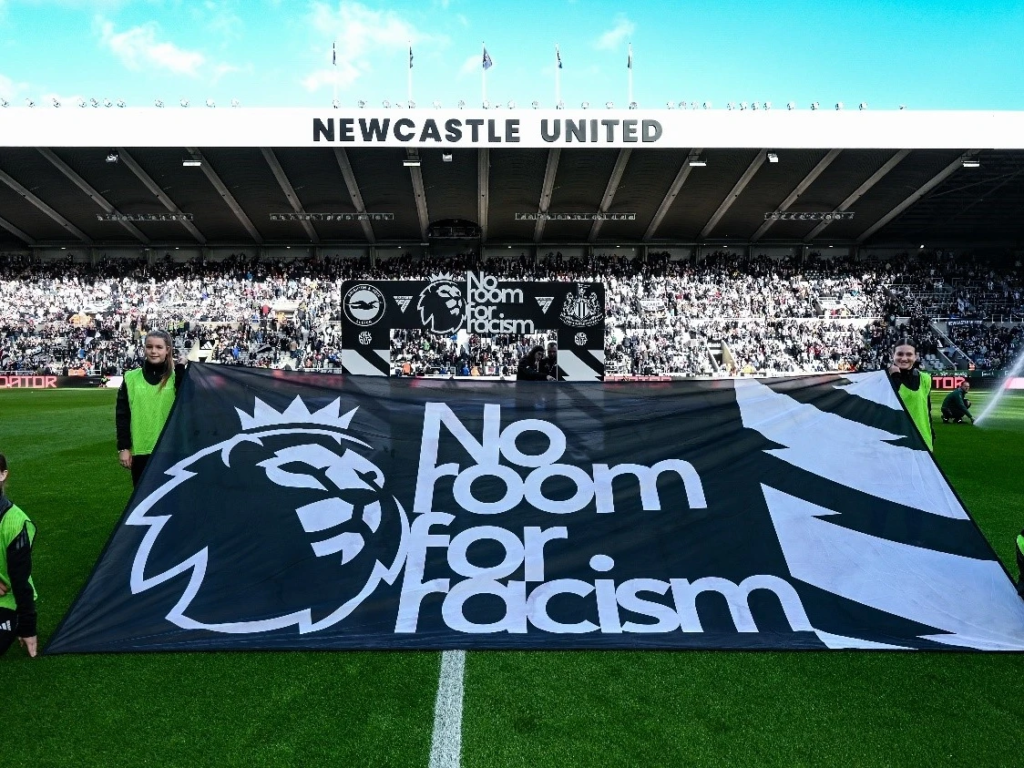
And next weekend, it will happen again.
Racism in football persists because the consequences are negotiable. The system isn’t malfunctioning, it’s prioritising what it was built to prioritise.
When a manager frames an alleged racial slur as a “he said, he said” situation, the message is clear: abuse is debatable. When clubs issue statements but sanctions remain light, the message is clear: outrage is manageable. When anti-racism banners go up every weekend while Black players are abused every weekend, the message is clear: symbolism is enough.
Social media platforms profit from engagement (including racist engagement). Clubs profit from matches. Leagues profit from broadcasting deals. Sponsors profit from visibility. There is no structural pressure strong enough to outweigh those incentives. So the cycle repeats.
Real bans. Not one-match provisional bans that might become 10 matches if an investigation concludes that something possibly happened. Lifetime bans for players and staff found guilty of racist abuse. Multi-match stadium bans for clubs whose fans engage in systematic racism. Bans that actually hurt.
Financial consequences. Points deductions. Heavy fines that go directly to anti-racism organisations, not back into UEFA or FIFA’s pockets. Make racism expensive for clubs.
Platform accountability. Instagram, Twitter, Facebook, and TikTok profit from the engagement that racist abuse generates. Make them liable. Force them to prevent abuse, not just react to it after Black players have already been traumatised.
Black voices in decision-making positions. At FIFA. At UEFA. At every major league. At every major club. Not token appointments, but people with actual power to implement structural change.
Acknowledgement that this is structural, not individual. This isn’t about “a few bad apples.” This is about a system that enables, protects, and profits from racism.
It doesn’t. Not unless we force it to.
Five Black footballers in one week. All saying the same thing: nothing changes. The banners go up and the statements are released, but the abuse continues.
These people are never punished, and until those running football face consequences for allowing this to continue, until the system itself is dismantled and rebuilt with equity at its foundation, next weekend will look exactly like this one.
Because nothing has changed in 2026.